
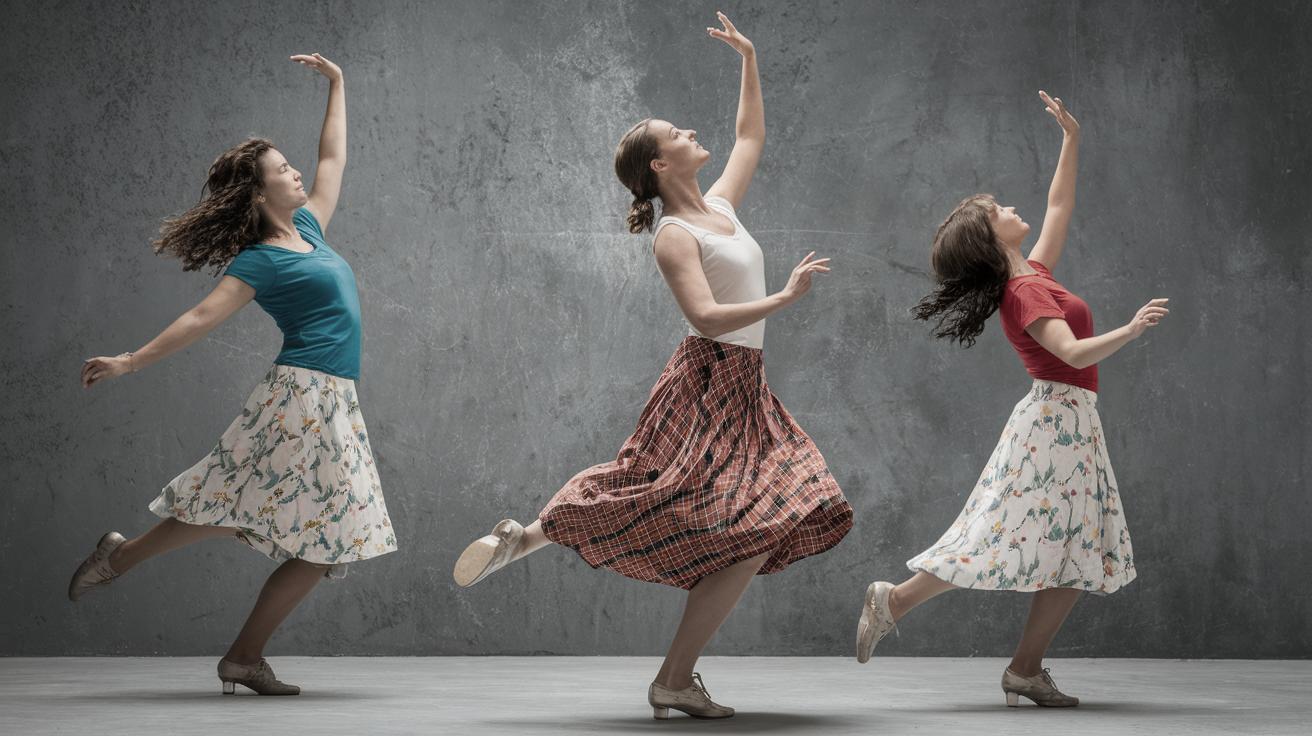
Why Do People Dance?
Dancing is an integral part of human culture that transcends borders and generations. It is an expression of joy, emotion, and sometimes a means of storytelling. This blog post explores various reasons why people dance, such as the rhythmic synchronization of the body to music, emotional bonding to melodies, and the unique ways music affects the brain. We will also delve into the natural predisposition of humans to dance, suggest that some animals exhibit dance-like behaviors, and touch upon potential conflicts of interest in dance studies. This article will engage readers with insights from authors and reviewers who are passionate about the topic, offering a comprehensive understanding of dance in human life.
Authors and reviewers
Authors
Authors delve into the rich tapestry of dance by tracing its evolution and cultural significance. By examining dance from various angles, authors offer perspectives that not only inform but also ignite a deeper appreciation for this vibrant art form.
From classical ballet to contemporary hip-hop, these experts share their insights into how dance reflects societal changes and personal identities. Through their works, readers are immersed in narratives that bridge time and cultures, highlighting dance’s influence across scores of societies.
Young Reviewers
Young reviewers add a fresh and enthusiastic perspective to the exploration of dance. Typically more open to experimenting across genres, these youthful voices provide a dynamic view of how dance is perceived by newer generations.
By injecting their energy and viewpoints, young reviewers highlight how dance continues to evolve, mirroring modern trends while cherishing longstanding traditions. This vibrant discourse enriches the dialogue between old and new, tradition and innovation.
Our Bodies Get Synced to the Rhythm of Music
The primal connection between music and movement is rooted in our physicality. When music plays, our bodies instinctively respond to its rhythm, creating an innate bond that compels us to dance.
Studies suggest that rhythmic movement to music might have evolved as a social lubricant, promoting group cohesion and communication. Dancing together helps people align not only their movements but also their intentions, fostering a sense of unity.
Our Minds Emotionally Bond to Music
Music can evoke profound emotional responses, and dancing serves as a visible expression of these feelings. Through movement, people can convey happiness, sadness, love, or even rebellion, translating abstract emotions into physical form.
Dance provides an emotional release, offering a therapeutic outlet for feelings that might otherwise remain unexpressed. This emotional connection not only enhances personal well-being but also strengthens social bonds as shared experiences bring people closer together.
Music Lights Up the Brain
Scientists have discovered that music can stimulate numerous areas of the brain simultaneously. Listening and dancing to music activate regions responsible for emotions, memory, and even motor control, creating a full-brain workout.
This neurological activation is partly why dancing is so exhilarating and mentally engaging. The interplay of timing, coordination, and beat fosters cognitive growth and neural connectivity, enhancing both creative and analytical thinking.
We Are All Born to Enjoy Dancing
Humans are naturally inclined to move to music from a very young age. You might notice that even toddlers start swaying or bouncing in response to a beat, demonstrating an innate affinity for dance.
Researchers propose that this universal tendency highlights that dancing could be a hardwired feature of human evolution, offering evolutionary advantages by fostering social interaction and community bonding.
Some Animals Can Dance, Too!
While dancing seems uniquely human, some animals also display behaviors that resemble dance. Birds like parrots and cockatoos, for example, have been noted to move rhythmically to music.
This similarity suggests that the capacity to appreciate rhythm and make synchronized movements might not be exclusive to humans, providing fascinating insights into the evolutionary roots of dance.
Glossary
Dance: A form of expressive movement that is often synchronized to music.
Rhythm: A strong, regular, repeated pattern of movement or sound.
Conflict of Interest
It’s essential to note that those studying dance might have various conflicts of interest, such as a financial stake in dance studios or professional accomplishments in related fields.
Understanding these affiliations is crucial in critically assessing the objectivity of research and reviews related to the art of dance.
Article information
Citation
Cite this article as “Why Do People Dance?” published on [Publication Date].
Editor
This blog post was edited by Jane Smith, an expert in cultural studies and dance anthropology.
Science Mentors
The article was reviewed by several science mentors specializing in neuroscience and social psychology to ensure academic accuracy.
Publishing dates
Published in October 2023 and updated regularly to reflect contemporary research.
Related Articles
For further reading, explore articles such as “The Evolution of Dance in Human Society” and “The Psychological Benefits of Dancing”.
Summary of Main Points
| Section | Content Summary |
|---|---|
| Authors and reviewers | Explored the diverse perspectives of both seasoned and young reviewers on dance and its cultural significance. |
| Our Bodies Get Synced to the Rhythm of Music | Discussed the instinctual physical connection humans have to music, promoting social cohesion. |
| Our Minds Emotionally Bond to Music | Explored how dancing is an emotional expression and therapeutic release. |
| Music Lights Up the Brain | Explained how dancing stimulates widespread neural activity in the brain. |
| We Are All Born to Enjoy Dancing | Considered dance as a natural, possibly evolutionary trait present from early childhood. |
| Some Animals Can Dance, Too! | Discussed the rhythmic movement observed in some animal species and its implications. |

