
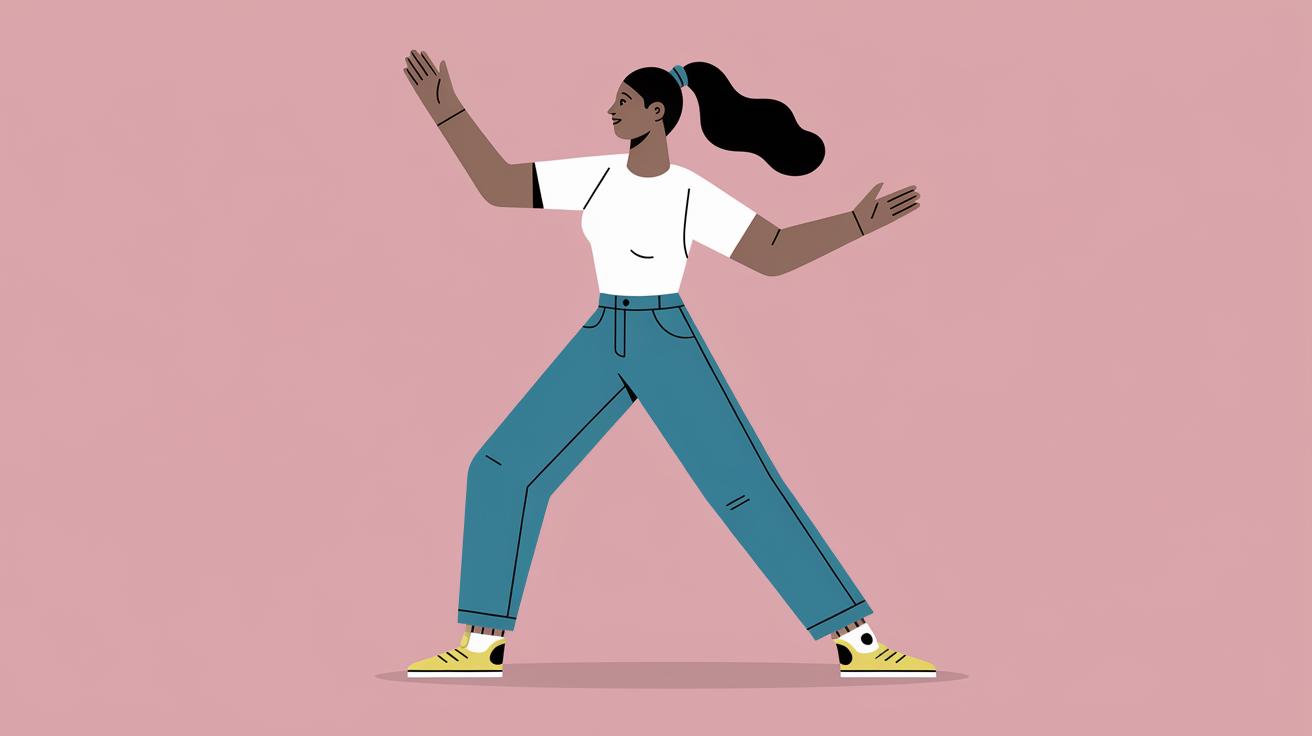
How to Dance Well: Leading with Passion and Precision
For those inspired to move with grace, learning to dance well is an invigorating journey that requires dedication, expression, and a nuanced understanding of one’s body and musicality. In this article, we delve into the many essentials of becoming an accomplished dancer. We’ll uncover the importance of a well-rounded dance education that lays the foundation for skill and creativity. Additionally, understanding your audience can greatly enhance your performance. Facial expressions, the relationship between dancers, movement quality, and musical interpretation are crucial components in a dancer’s repertoire. We’ll also discuss the head-tail connection’s significance in movement flow. Throughout, we’ll provide guidance on embracing these elements and highlight valuable resources, such as insights from esteemed dancer Danielle Desimone, to enrich your learning experience.
Importance of Well-Rounded Dance Education
A comprehensive dance education serves as the cornerstone for any aspiring dancer seeking to excel. Such education encompasses a variety of dance styles—for example, ballet, contemporary, jazz, and hip-hop—each offering unique techniques and artistic expressions. By exploring diverse genres, dancers develop versatility and adaptability, which are essential in today’s dynamic dance industry.
In addition to technical skill, a well-rounded education emphasizes understanding dance history and theory, empowering dancers to appreciate their craft’s rich cultural lineage. Training with experienced instructors who provide valuable mentorship and feedback helps students refine their skills and discover their personal dance style.
Location of the Audience
Understanding where your audience is positioned can significantly affect how you present your dance performance. Whether performing in an intimate studio, an expansive stage, or outdoors, adjusting your movements and expressions to suit the audience’s vantage point ensures that your performance resonates effectively.
When aware of audience placement, dancers can use directional cues to highlight important aspects of choreography, ensuring that no part of the story is lost. This awareness fosters a connection with viewers, allowing for a shared experience that amplifies the performance’s emotional impact.
Facial Expressions
Facial expressions are a powerful tool for conveying the emotion behind a dance. They serve as the bridge between the dancer and the audience, enhancing storytelling and providing deeper insight into the performance’s narrative. Expressions should be authentic, reflecting genuine emotion and complementing the movement.
With practice, dancers learn to control and manipulate facial muscles in harmony with body movements, creating a holistic performance experience. By integrating expressions fluidly, the narrative becomes more compelling, seducing the audience into the journey the performance promises.
Relationship Between Dancers
The relationship between dancers on stage is fundamental to creating chemistry and energy that captivate audiences. Whether performing a duet or ensemble piece, dancers must communicate effectively, both verbally and non-verbally, to maintain synchronization and uphold the integrity of the piece.
Collaborative choreography relies on trust and mutual understanding, enabling dancers to support one another and respond to subtle cues. Establishing a strong rapport can elevate the performance, showcasing harmony and unity that resonate with viewers emotionally.
Elongating Your Movement
Elongating movements creates the illusion of freedom and grace, allowing dancers to explore the full expanse of their physical potential. This technique encourages dancers to extend their limbs and reach into the space around them, enhancing the elegance and fluidity of their dance.
By focusing on breath control and muscle engagement, dancers can achieve an impressive sense of length and continuity within their movements. Practicing elongation promotes a seamless flow in choreography, lending a polished and professional quality to the overall performance.
Dance Musicality
Understanding and interpreting music is a vital skill for any dancer aiming to perform proficiently. Dance musicality involves aligning movement with musical elements such as rhythm, melody, and dynamics, allowing for a deeper connection between the dancer and the music.
Exceptional musicality can transform a good dancer into a great one; it involves listening intently and responding creatively to the music’s nuances. Dancers who embody musicality breathe life into their choreography, crafting performances that are not only technically proficient but also emotionally engaging.
Head-Tail Connection
The head-tail connection refers to the alignment and flow of energy from a dancer’s head to their tailbone, fostering a holistic movement pattern. This connection is crucial for maintaining balance, coordination, and dynamic movement across the dance floor.
Practicing head-tail connection involves strengthening core muscles and cultivating body awareness, enabling dancers to move with purpose and precision. This foundational technique supports both simple and complex choreography, establishing a dancer’s control and fluidity.
Other Articles
Exploring additional resources can provide enriching knowledge and inspiration. Articles on topics such as improvisation in dance, the role of emotions in performance, and the impact of cultural influences can broaden a dancer’s perspective and spark creativity.
Incorporating insights from different dance scholars and practitioners enhances one’s understanding of dance as an evolving art form. By engaging with a variety of articles and discussions, dancers can continue to grow and adapt their styles, keeping their passion for dance alive.
Danielle Desimone
Danielle Desimone, a renowned figure in the dance community, provides valuable insights into the world of professional performance. Her experiences, both as a dancer and educator, offer a unique perspective on mastering technique and cultivating personal artistry.
Following Danielle’s journey illustrates the importance of perseverance and continuous education. Her contributions to dance underline the significance of balancing discipline with creative expression, inspiring dancers to explore and embrace their individuality in the art form.
Lessons Learned
| Aspect | Description |
|---|---|
| Importance of Well-Rounded Dance Education | Diverse styles and historical knowledge cultivate versatile dancers. |
| Location of the Audience | Understanding audience positioning enhances performance impact. |
| Facial Expressions | Authentic expressions enhance storytelling and engagement. |
| Relationship Between Dancers | Trust and communication are key to ensemble harmony. |
| Elongating Your Movement | Extending movements promotes elegance and fluidity. |
| Dance Musicality | Interpreting music enhances emotional impact and creativity. |
| Head-Tail Connection | Core strength and alignment support dynamic movement. |
| Other Articles | Exploring varied resources inspires and educates dancers. |
| Danielle Desimone | Her experiences highlight the blend of discipline and creativity. |

