Master the fundamentals of dance with expert techniques, proven practice methods, and professional guidance for confident movement.
Understanding Your Body and Rhythm
The first step in learning to dance is to become acquainted with your own body and its capabilities. Dancing requires kinesthetic awareness of movement patterns, balance, and posture. Start by observing yourself in the mirror as you move in daily life, focusing on your natural alignment and how your spine maintains its curves.
Notice which muscles you engage naturally and which ones need more focus. Your core stability forms the foundation for all dance movements, while proper weight distribution through your feet creates the base for fluid motion.
Rhythm is another critical component that separates confident dancers from beginners. Listen to a wide range of music genres and try to feel the beat, identifying the downbeat and syncopated rhythms. Practice clapping or tapping your foot along with the music, gradually incorporating body isolations and weight shifts.
By aligning your movements with musical rhythms, you’ll progressively build a sense of musicality which is crucial for any dance style. Professional dancers recommend starting with 4/4 time signatures before progressing to more complex rhythmic patterns.
Selecting the Right Dance Style
Choosing the right dance style can significantly influence your learning experience and long-term enjoyment. Consider your personal interests, physical capabilities, and what you find enjoyable in music and movement. From classical ballet’s precise technique to energetic hip-hop’s street culture, different styles offer unique experiences and artistic expression.
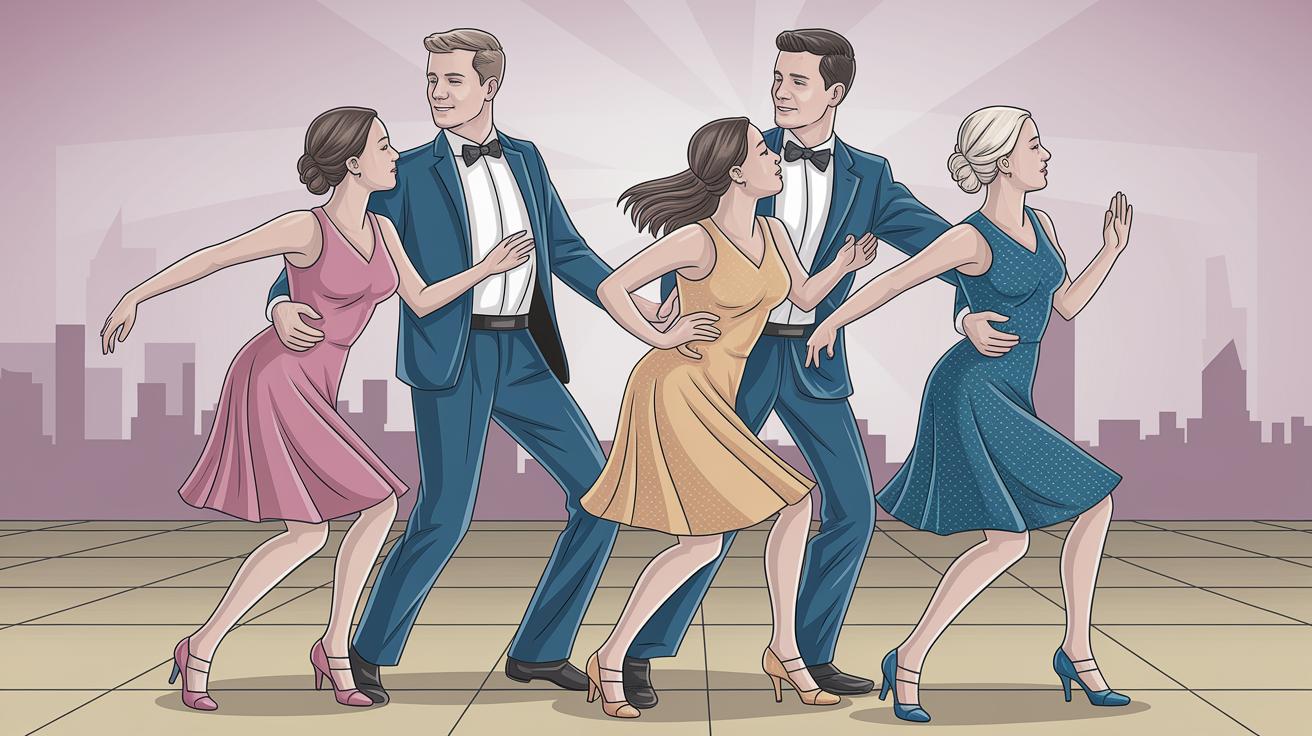
Contemporary dance offers fluid, expressive movements perfect for emotional storytelling. Latin dances like salsa and bachata emphasize partner connection and rhythmic precision. Jazz dance combines technical skill with performance energy, while ballroom dancing focuses on partnership and elegant frame.
To make an informed decision, attend live performances, watch instructional videos online, or take introductory classes in various styles. Each style has its own set of foundational movements and techniques, so it’s important to explore before settling on the one that resonates with your goals and personality.
Popular Dance Styles for Beginners
Ballet provides excellent technical foundation with emphasis on posture, turnout, and precise positions. Modern dance encourages creative expression through floor work and contract-release techniques. Social dances like swing and foxtrot develop partnership skills and musical interpretation.
Importance of Well-Rounded Dance Education
Well-rounded dance education is essential for beginners as it provides a comprehensive understanding of fundamental techniques and diverse movement vocabularies. Learning from various genres enhances your versatility as a dancer, enabling you to appreciate different forms and seamlessly integrate them into a cohesive skill set.
Cross-training in multiple dance styles strengthens different muscle groups and develops varied coordination patterns. Ballet builds strength and alignment, jazz develops performance quality, and contemporary enhances emotional expression and floor work techniques.
Engaging with different dance styles also strengthens key skills such as proprioception, dynamic balance, and muscular endurance. By diversifying your learning, you’ll develop a strong foundation that not only improves your technique but also boosts your confidence in any dance scenario.
Benefits of Cross-Training in Dance
Professional dancers consistently cross-train to prevent overuse injuries and maintain peak performance. Combining ballet’s discipline with jazz’s energy creates well-rounded technical ability. Injury prevention improves significantly when dancers develop balanced strength and flexibility across multiple movement patterns.
Finding the Right Instructor
A qualified instructor can significantly impact your dance journey and technical development. Look for a teacher who possesses not only advanced skill in their field but also pedagogical training and patience with beginners. Someone who understands the beginner’s mindset can create a safe and encouraging environment for learning.
Certified instructors with credentials from recognized organizations like Dance Masters of America or Royal Academy of Dance bring structured curriculum and proven teaching methods. They understand progressive skill building and can identify and correct technical issues before they become ingrained habits.
Research potential instructors by attending trial classes, reading student reviews, or seeking recommendations from other dancers. The right instructor will inspire you to push your boundaries while ensuring that your learning experience remains enjoyable and injury-free.
Qualities of Effective Dance Instructors
Exceptional dance teachers demonstrate clear communication skills and can break down complex movements into manageable steps. They provide constructive feedback that builds confidence while addressing technical improvements. Look for instructors who emphasize proper warm-up techniques and injury prevention strategies.
Practice Regularly and Consistently
Consistent practice is key to developing muscle memory and becoming proficient in dance. Set aside regular time for practice, ensuring that it becomes an integral part of your routine. Start with manageable 20-30 minute sessions, gradually increasing duration and intensity as you build stamina and skill.
During practice, focus on mastering fundamental techniques and basic movements before attempting advanced combinations. Utilize resources like online tutorials, dance apps, and video analysis to enhance your learning and track progress over time.
Deliberate practice involves focused attention on specific skills rather than mindless repetition. Work on challenging sections slowly, gradually building speed while maintaining proper technique. Remember, practice not only improves technique but also promotes discipline and perseverance, vital traits for any aspiring dancer.
Effective Practice Strategies
Professional dancers recommend the 70-20-10 rule: spend 70% of practice time on fundamentals, 20% on current choreography, and 10% on challenging new material. Mental rehearsal and visualization techniques can accelerate learning when combined with physical practice.
Overcoming Common Challenges
As a beginner, you may encounter challenges such as performance anxiety, self-doubt, or frustration with your progress. It’s important to maintain a positive mindset and remind yourself that improvement takes time and consistent effort. Celebrate small victories and use setbacks as stepping stones for growth.
Comparison with others often hinders progress and enjoyment. Focus on your personal journey and improvement rather than measuring yourself against more experienced dancers. Every professional dancer was once a beginner who faced similar challenges.
Connect with fellow dancers who can offer support and share their experiences. Engaging with a dance community helps build a network of support, encouragement, and motivation, aiding in overcoming common beginner obstacles like stage fright and technical plateaus.
Building Confidence Through Performance
Performance opportunities in low-pressure environments help build confidence and stage presence. Student showcases, community events, and informal gatherings provide valuable experience in sharing your artistic expression with others.
Essential Equipment and Attire
Proper dance attire and equipment enhance your learning experience and prevent injuries. Dance-specific footwear provides appropriate support and allows for proper movement mechanics. Ballet slippers, jazz shoes, and character shoes each serve specific purposes for different dance styles.
Comfortable, form-fitting clothing allows instructors to observe your alignment and technique while providing freedom of movement. Avoid baggy clothing that obscures body lines or restricts motion. Layer clothing for easy temperature adjustment during warm-up and cool-down periods.
Nutrition and Physical Conditioning
Physical conditioning supports dance training and reduces injury risk. Cardiovascular fitness, flexibility, and strength training complement dance technique development. Pilates and yoga provide excellent cross-training benefits for dancers of all levels.
Proper hydration and nutrition fuel your dance practice and aid recovery. Consume adequate protein for muscle repair and complex carbohydrates for sustained energy during longer training sessions.
Final Thoughts
| Key Elements | Summary |
|---|---|
| Understanding Your Body and Rhythm | Focus on kinesthetic awareness, core stability, and musicality through structured practice and mirror work. |
| Selecting the Right Dance Style | Explore different genres through classes and performances to find styles matching your interests and goals. |
| Importance of Well-Rounded Dance Education | Cross-training in multiple styles enhances versatility, prevents injuries, and builds comprehensive technical foundation. |
| Finding the Right Instructor | Choose certified, experienced teachers who emphasize proper technique and create supportive learning environments. |
| Practice Regularly and Consistently | Implement deliberate practice strategies with focus on fundamentals and gradual skill progression. |
| Overcoming Common Challenges | Build confidence through community support, performance opportunities, and focus on personal growth. |