Dance transcends cultural boundaries as humanity’s most universal form of expression, connecting communities worldwide through rhythm and movement.
Learning How To Dance
A Helpful Step By Step Guide on How To Dance in Your Own Home
Starting your dance journey at home can be both exciting and fulfilling. One of the first steps is to clear a space where you can move freely without any obstacles. Ensure you have a good pair of dance shoes or go barefoot if you prefer, especially if your floor allows for it.
Set up your space with adequate lighting, and play some music that you love and can easily follow. Before diving into complex moves, begin with a simple routine. For instance, start with side-to-side steps to get into the rhythm, while using your arms to express the music’s motion.
Watching dance tutorials online can be incredibly helpful as they provide visual and verbal cues. Take it slow by pausing and replaying the steps as needed. Mirror the instructor and practice consistently to embed the routine in your muscle memory. Don’t rush the process; enjoy each move and gradually build your confidence.
As you get comfortable, embellish your moves and incorporate your personal style. The key to mastering dance at home lies in dedication, practice, and the readiness to embrace mistakes as learning opportunities.
How To Dance Different Kinds of Ways: A Step by Step Guide
Exploring different dance styles can add a new dimension to your dancing skills. To start with Ballroom dancing, focus on learning the classic Waltz, known for its grace and elegance. Begin with the basic box step and work your way to more intricate sequences.
Hip hop, on the other hand, emphasizes freedom and expression, with moves like the Dougie or the Cabbage Patch being foundational steps to master. This urban dance form originated in the 1970s and continues to evolve with contemporary street culture.
For Latin dances such as Salsa or Tango, it is crucial to understand the rhythm that drives these passionate genres. Salsa requires learning the basic steps, like the Salsa basic and cross-body lead, to develop fluency. Each dance style has unique characteristics and learning them diversifies your dancing vocabulary.
Embrace each style with its cultural roots and let the music guide your movements. Attend community classes if possible to get feedback and enhance your skills in a supportive environment.
Cultural Dance Traditions Around the World
Traditional Folk Dances and Their Significance
Folk dances serve as cultural preservation tools, maintaining ancestral traditions across generations. From Irish step dancing to Indian classical Bharatanatyam, these art forms tell stories of heritage and community identity. Each movement carries symbolic meaning, often representing seasonal celebrations, religious ceremonies, or historical events.
African traditional dances emphasize polyrhythmic movements and community participation, while Asian dance forms like Japanese Butoh focus on spiritual expression and mindfulness. These cultural dance practices demonstrate how movement transcends entertainment to become a form of cultural communication.
Modern Fusion and Contemporary Interpretations
Contemporary choreographers increasingly blend traditional elements with modern techniques, creating fusion dance styles that honor heritage while embracing innovation. This cultural exchange enriches the global dance community and promotes cross-cultural understanding through shared artistic expression.
Stimulating Movement
Dance is not just about the choreography; it’s also about the freedom of movement and emotional release it brings. Stimulating movement through dance involves engaging both the body and the mind, which can lead to enhanced physical and mental alertness. When dancing, the emphasis is often on fluidity, allowing the body to move uninhibitedly in response to music.
Incorporating dance into your routine can stimulate endorphin production, leading to better mood regulation and stress relief. It encourages cardiovascular fitness as the entire body is engaged, significantly improving coordination and balance. Research from the American Council on Exercise shows that dancing can burn 200-400 calories per hour depending on intensity and style.
Over time, dancers develop an acute sense of spatial awareness and instinctive musicality. This stimulation of movement becomes more than just an exercise but a holistic practice with significant health benefits including improved cognitive function and enhanced neuroplasticity.
Movement as Therapy
Dance movement therapy has gained immense recognition for its psychological benefits. By utilizing dance as a form of therapy, individuals can achieve emotional, cognitive, and social integration. It provides an alternative way of coping with stressors and emotional turmoil by encouraging participants to articulate their emotions through movement rather than words.
For individuals experiencing anxiety or depression, dance serves as a powerful therapeutic tool to redirect their focus from negative thoughts to expressive movement. It fosters a supportive space where individuals can explore and accept their feelings, promoting healing. Studies published in the Journal of Applied Arts & Health demonstrate significant improvements in mental health outcomes for participants in structured dance therapy programs.
Dance movement therapy sessions are usually guided by trained therapists who facilitate a safe environment for self-discovery, offering both verbal and non-verbal techniques tailored to individual needs. The American Dance Therapy Association recognizes this practice as an effective treatment for trauma, autism spectrum disorders, and various mental health conditions.
Neurological Benefits of Dance Therapy
Recent neuroscience research reveals that dance therapy activates multiple brain regions simultaneously, promoting neural connectivity and cognitive flexibility. This multi-sensory engagement supports rehabilitation for stroke patients, individuals with Parkinson’s disease, and those experiencing age-related cognitive decline.
Complementary Moves
Complementary movements in dance involve combining different dance styles or techniques to create a harmonious performance. This integration of moves often leads to innovative dance forms, showcasing the dancer’s versatility and creativity. For instance, blending contemporary dance with elements of classical ballet can result in a dynamic performance that captivates and inspires audiences.
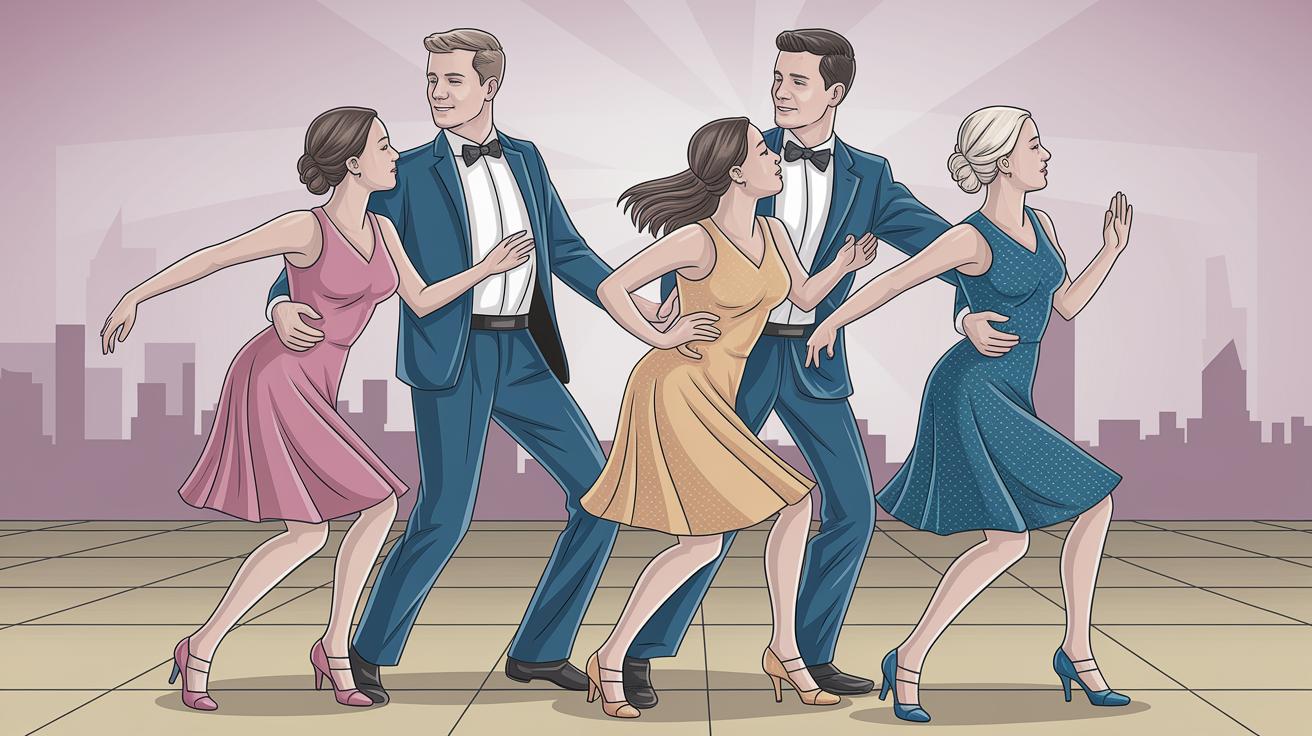
Moreover, complementary moves are essential in partner dances where synergy and coordination are indispensable. In styles such as Swing or Lindy Hop, knowing how to complement each other’s moves leads to seamless transitions and more enjoyable performances. Dancers learn to anticipate their partner’s next move and respond instinctively.
This partnership fosters a deep connection and understanding, both on and off the dance floor. Professional dance instructors emphasize that partner synchronization requires trust, communication, and mutual respect, skills that translate into improved interpersonal relationships.
Health and Fitness Benefits of Dancing
Physical Health Improvements
Regular dancing provides comprehensive cardiovascular exercise while building muscular strength, flexibility, and endurance. The low-impact nature of most dance styles makes it accessible for various fitness levels and age groups. Dance training improves bone density, reduces fall risk in older adults, and enhances overall physical coordination.
According to the Harvard Medical School, dancing for 30 minutes can burn between 180-266 calories, making it an effective component of weight management programs. The varied movements in dance also improve joint mobility and reduce stiffness associated with sedentary lifestyles.
Mental Health and Cognitive Benefits
Cognitive enhancement through dance occurs as the brain processes complex movement patterns, musical rhythms, and spatial relationships simultaneously. This mental stimulation supports memory formation, executive function, and creative problem-solving abilities. Dance practice has been shown to delay cognitive decline and reduce dementia risk by up to 76% according to research published in the New England Journal of Medicine.
Getting Started: Beginner’s Guide to Dance
Choosing Your First Dance Style
Selecting an appropriate beginner dance style depends on personal preferences, physical abilities, and available resources. Social dances like swing or salsa offer immediate community engagement, while solo styles like jazz or contemporary allow for individual expression and creativity.
Consider factors such as music preference, cultural interest, and physical demands when making your selection. Many dance studios offer introductory classes that allow exploration of multiple styles before committing to intensive training.
Essential Equipment and Preparation
Basic dance preparation requires minimal equipment but proper attention to safety and comfort. Appropriate footwear varies by style – leather-soled shoes for ballroom, sneakers for hip-hop, or bare feet for contemporary. Comfortable, flexible clothing that allows full range of motion is essential for effective practice.
Create a dedicated practice space with adequate flooring, mirrors if possible, and quality sound equipment. Proper warm-up routines prevent injury and improve performance, while cool-down stretches maintain flexibility and reduce muscle soreness.
Advanced Techniques and Performance
Developing Artistic Expression
Artistic development in dance extends beyond technical proficiency to encompass emotional expression, storytelling, and personal style. Advanced dancers learn to interpret music dynamically, conveying narrative through movement and connecting authentically with audiences.
Performance skills include stage presence, costume coordination, and collaborative choreography. Many dancers pursue professional development through workshops, masterclasses, and mentorship with established artists in their chosen disciplines.
Lessons Learned
| Section | Key Points | Benefits |
|---|---|---|
| Learning How To Dance | Step by step guides on starting at home; exploring various styles to enhance skills | Builds confidence, develops muscle memory, cultural appreciation |
| Cultural Dance Traditions | Folk dances preserve heritage; modern fusion creates innovation | Cultural understanding, artistic diversity, community connection |
| Stimulating Movement | Dance as a form of physical and mental stimulation, enhancing health and coordination | Improved fitness, cognitive function, stress relief |
| Movement as Therapy | Using dance to promote emotional and psychological well-being, with therapeutic benefits | Mental health support, trauma recovery, social integration |
| Complementary Moves | Integrating different dance styles and coordinating with partners for innovative performances | Enhanced creativity, partnership skills, artistic versatility |
Frequently Asked Questions About Dance
How long does it take to learn to dance?
Learning timelines vary significantly based on style complexity, practice frequency, and individual aptitude. Basic social dance steps can be learned in 4-6 weeks, while professional proficiency may require years of dedicated training. Consistent practice and quality instruction accelerate the learning process.
Can anyone learn to dance regardless of age or ability?
Dance is accessible to individuals of all ages and physical abilities. Adaptive dance programs accommodate various mobility levels, while age-appropriate styles ensure safe and enjoyable participation. The key is finding suitable instruction and realistic expectations for personal goals.
What are the costs associated with learning dance?
Dance education costs range from free online tutorials to expensive private lessons. Group classes typically cost $15-30 per session, while private instruction ranges from $50-150 per hour. Equipment and costume expenses vary by style and performance requirements.