
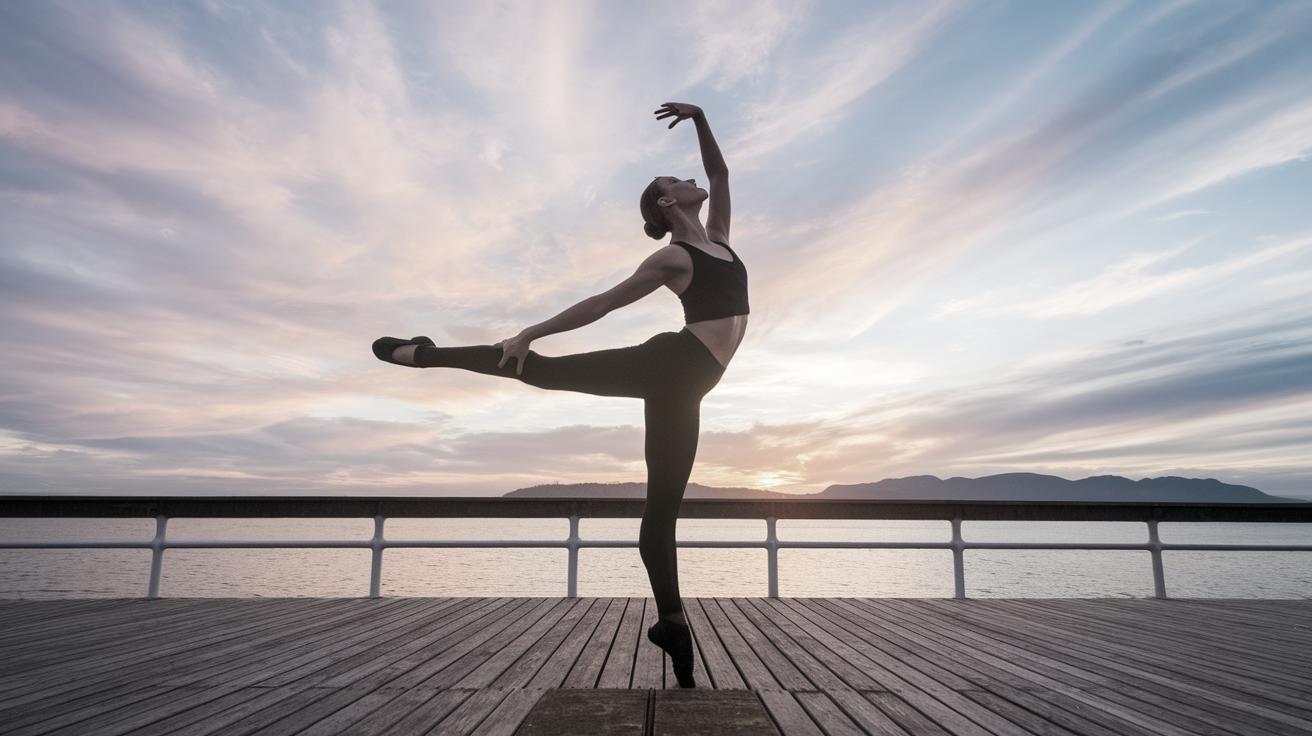
You Know You’re a Dancer When
For those captivated by the art of ballet, reaching the stage of dancing en pointe represents a monumental achievement. This journey towards pointe work is marked by dedication, strength, and artistry. In this blog post, we explore the pivotal aspects of pointe training. We begin by discussing when dancers typically start pointe and the readiness required to embark on this journey. We delve into the preparation process, outlining essential strength-building exercises and tips for safe practice. Understanding that pointe is not just about balancing on toes, we emphasize the importance of full-body strength and patience, highlighting the mental and physical components necessary for a successful transition. By the end of this article, you’ll gain a comprehensive understanding of what it truly means to dance en pointe.
When Do You Learn Pointe in Ballet?
In the world of ballet, the transition to pointe work is a significant milestone, typically marking a dancer’s progress from beginner to intermediate. Most dancers begin pointe training between the ages of 11 and 14, although this can vary based on individual development and readiness. It is crucial for young dancers to have a solid foundation in ballet technique before embarking on pointe work. This foundational training ensures that they have developed sufficient strength, balance, and body awareness necessary for the demands of pointe.
Each dancer’s journey to pointe is unique, influenced by their physical development and training consistency. Teachers usually assess a dancer’s readiness based on key factors such as core strength, ankle stability, and overall technique. The focus is not solely on age; it is about ensuring the dancer is both physically and mentally prepared to handle the rigors of dancing en pointe. Responsible instructors will prioritize safety and readiness over adhering to a specific timeline.
How to Get Ready for Pointe
Preparation for pointe work involves more than just mastering basic ballet skills; it requires a dedicated focus on strengthening and conditioning the body. One of the primary areas of focus is foot and ankle strength. Exercises such as releves, theraband resistance training, and toe exercises help build the necessary musculature to support the dancer en pointe. Additionally, core strength exercises are crucial as they provide stability and control, which are essential for maintaining balance while on pointe.
It is equally important to integrate flexibility training into the preparation process. Stretching routines that focus on the feet, ankles, calves, and hamstrings will aid in enhancing the dancer’s range of motion and preventing injuries. Dancers should also be mindful of their nutrition and overall well-being; a healthy lifestyle contributes significantly to their ability to endure the physical demands of pointe work.
How to Go En Pointe
Transitioning to dancing en pointe is a gradual process that begins with the guidance of an experienced ballet instructor. Initially, dancers will work at the barre to develop strength and confidence. Exercises typically include releves and echappes designed to condition the feet and ankles to the new pressures of pointe work. Over time, as strength and technique improve, dancers gradually progress to performing pointe exercises in the center floor.
Consistency in practice and patience are key during this phase. It’s important for dancers to listen to their bodies and communicate with their instructors about any pain or discomfort. With meticulous attention to technique and safety, dancers can build a solid foundation for more advanced pointe work, such as performing combinations and choreography on the full stage.
You Need to Be Strong Enough for Pointe Work
Strength is paramount when it comes to pointe work, as it is the cornerstone for injury prevention and successful execution. Dancers need strength not only in their feet and ankles but throughout their entire body. This encompasses strong legs, a well-conditioned core, and even upper body strength to ensure proper posture and alignment. Cross-training activities such as Pilates, yoga, and strength training can be beneficial supplements to a dancer’s routine.
It’s important for dancers to recognize that building the necessary strength takes time and committed effort. Regularly attending ballet classes and dedicating time to conditioning exercises outside the studio will contribute greatly to a dancer’s readiness for pointe. It’s a cumulative process where every class, every exercise, and every correction brings the dancer closer to mastering pointe work.
Don’t Rush It
The transition to pointe work is a journey that requires patience. It’s essential for dancers to embrace the process and avoid rushing to achieve quick results. The desire to dance en pointe should not override the importance of building a solid technical foundation. Rushing can lead to improper technique and potential injuries, setting back a dancer’s progress significantly.
Dancers should trust in their instructors and the individual journey each dancer must take. The key is to celebrate small achievements along the way and to remain focused on incremental improvements. With perseverance and dedication, the milestones achieved in pointe work will be both rewarding and sustainable.
Going En Pointe Is Not Just About the Feet
While careful attention to foot and ankle strength is vital, successful pointe work involves the entire body. Alignment, coordination, and artistry play crucial roles in the execution of pointe exercises and choreography. Dancers must develop a keen awareness of their body’s alignment from head to toe, maintaining a strong core to support graceful movements.
Moreover, the artistry of ballet comes to life through emotive expression and fluidity. As dancers progress in their pointe training, they learn to merge technical precision with artistic interpretation. This balance is what transforms pointe work from mere technique to captivating artistry, allowing dancers to express stories and emotions through their movements.
Next Steps
| Aspect | Key Points |
|---|---|
| When Do You Learn Pointe? | Typically between ages 11-14; based on individual readiness and strength. |
| How to Get Ready for Pointe | Focus on foot and ankle strength, core exercises, flexibility, and overall well-being. |
| How to Go En Pointe | Begin at the barre, gradually progress to center floor; practice consistency and safety. |
| You Need to Be Strong Enough for Pointe | Strength in the whole body is essential; cross-training can help. |
| Don’t Rush It | Avoid rushing; patience and process are key to safe and effective pointe work. |
| Going En Pointe Is Not Just About the Feet | Involves full-body alignment, artistry, and emotive expression. |

