
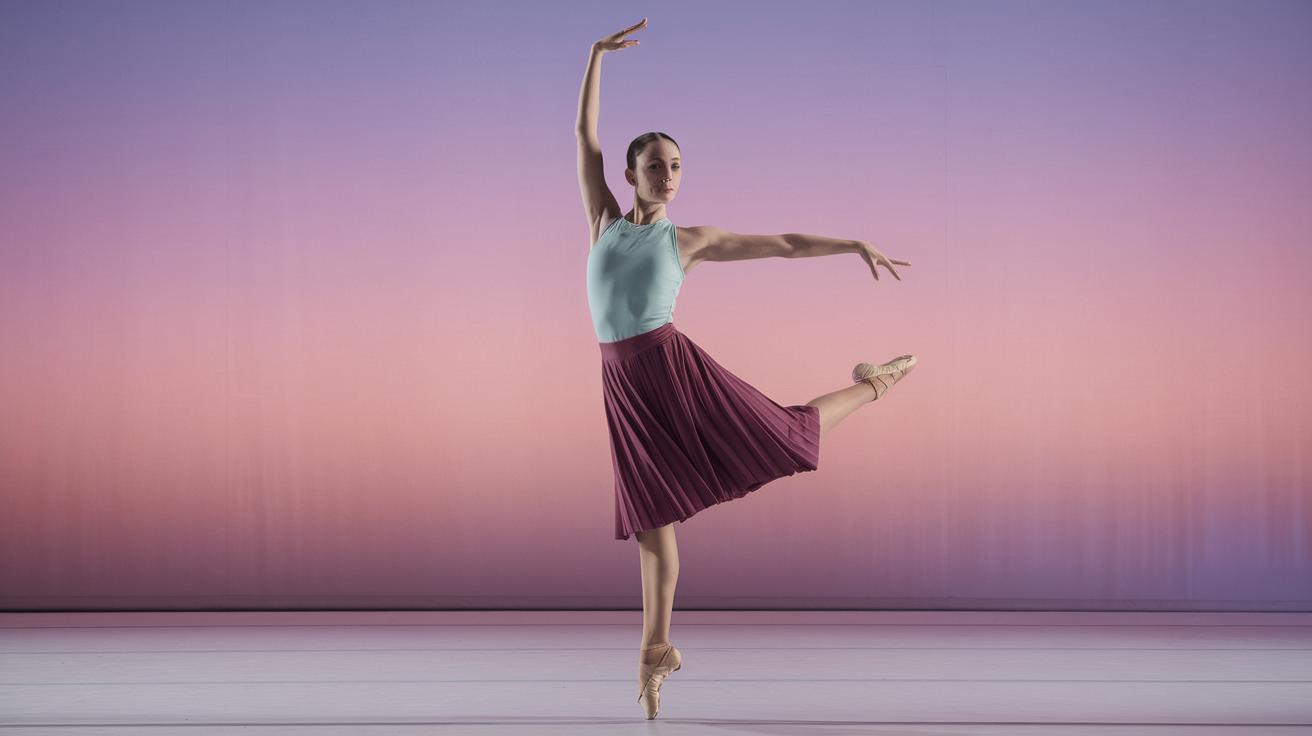
You Know You’re a Dancer When…
Dancing is not just a hobby or a form of exercise; for many, it becomes a way of life. The moment you step onto the dance floor, a transformation occurs where rhythm, passion, and expression converge. This blog post delves into the quintessential signs of being a dancer, offering a glimpse into the life, habits, and idiosyncrasies that define dancers worldwide. From always counting to eight to noticing choreography in everyday life, these insights provide a heartfelt tribute to the unique community of dancers. Explore these telltale signs and see how many resonate with you, whether you’re a seasoned performer or someone just starting on their vibrating path toward mastering the art of dance.
The Bucket List: Learn to Dance
For many, learning to dance is a cherished goal on their bucket list. The allure of moving harmoniously to music, expressing emotions through fluid motions, and captivating audiences is undeniably appealing. Whether it’s the elegance of the waltz, the fiery passion of flamenco, or the exuberant energy of hip-hop, dance offers a universal language for communication and connection.
Signing up for that first dance class is often a transformative experience. It’s a leap into a world where the body becomes both an instrument and a canvas, carrying personal stories within each step. During these lessons, dancers learn not only choreography but also the importance of discipline, perseverance, and confidence; traits that extend beyond the dance floor into everyday life.
As individuals progress on their dance journey, they often become part of a community, forging bonds with instructors and fellow dancers. This sense of belonging and shared passion creates a supportive environment that encourages growth and development, fostering friendships and inspiring lifelong learning.
You Start Counting Everything in Eights
It’s a universal truth among dancers: once you start dancing, you start counting everything in sets of eight. This rhythmic pattern, ingrained in dancers from countless hours of practice, becomes second nature. From climbing stairs to pacing out steps, you’ll find yourself instinctively counting “1-2-3-4-5-6-7-8” as a metronomic beat accompanies your movements.
This penchant for counting doesn’t just stay in the studio; it finds its way into everyday life. You might catch yourself mentally keeping time to the hum of an escalator or the tick of a clock. The structure of eight becomes a framework through which life itself pulses like a dance, making even mundane tasks a choreography of their own.
Moreover, this constant counting can aid in stress relief, offering a sense of order amidst life’s chaos. For dancers, these rhythmic beats transform into a quiet meditation, anchoring them to the present moment and providing a tranquil escape through the power of music and movement.
Your Body Remembers Choreography Even When You Don’t
Muscle memory is a phenomenon that holds a particular magic in the dance world. As dancers, countless hours are spent rehearsing routines until every movement becomes an instinctive response. Surprisingly, even when the mind fails to recall each step, the body often has a knack for remembering the choreography, moving as though guided by an invisible thread connecting each move to the next.
This phenomenon is a testament to the profound connection between the mind and body, showcasing an innate form of communication that often defies explanation. Dancers find themselves in awe of how their limbs instinctively fall into place, a tribute to the dedication and hard work invested in refining their craft.
Such experiences highlight the transformative power of dance, where learning becomes an embodied practice. This deep, almost subconscious retention of choreography reflects the dancer’s commitment and the dynamic relationship cultivated with their own bodies over years of practice and performance.
Every Floor is a Potential Dance Floor
For dancers, the world itself becomes a stage, and every floor is transformed into a potential dance floor. Whether it’s the polished wooden surface of a living room or the tiled floor of a supermarket, there’s an irresistible urge to break into a pirouette or execute a flawless leap. The thrill of dancing in unexpected places adds spontaneity and joy, making the art form an ever-present part of a dancer’s life.
These impromptu performances aren’t just acts of self-expression; they’re moments of unrestrained freedom and happiness. The environment around you transforms, the ordinary becomes extraordinary, and the dancer’s world is enriched with infinite possibilities and artistic opportunities.
Moreover, these everyday dance sessions serve as invaluable practice opportunities, regardless of space or location. Dancers keenly observe surrounding dynamics, be it passing pedestrians or ambient sounds, using them as fuel for inspiration. Such moments bring a sense of creative liberation that breaks boundaries, allowing dancers to experiment and connect with the environments they inhabit.
Future Prospects
| Signs | Details |
|---|---|
| The Bucket List: Learn to Dance | Starting dance lessons is a transformative step towards mastering coordination, expression, and self-confidence, all cultivated in a supportive community. |
| You Start Counting Everything in Eights | A universal trick among dancers, it brings rhythm and structure into daily life, creating a meditative connection with movement. |
| Your Body Remembers Choreography Even When You Don’t | Muscle memory reveals a magical connection between mind and body, showing how deeply dance integrates into a dancer’s being. |
| Every Floor is a Potential Dance Floor | Dancers often see every space as a potential stage, bringing creativity and joy into mundane environments. |

