
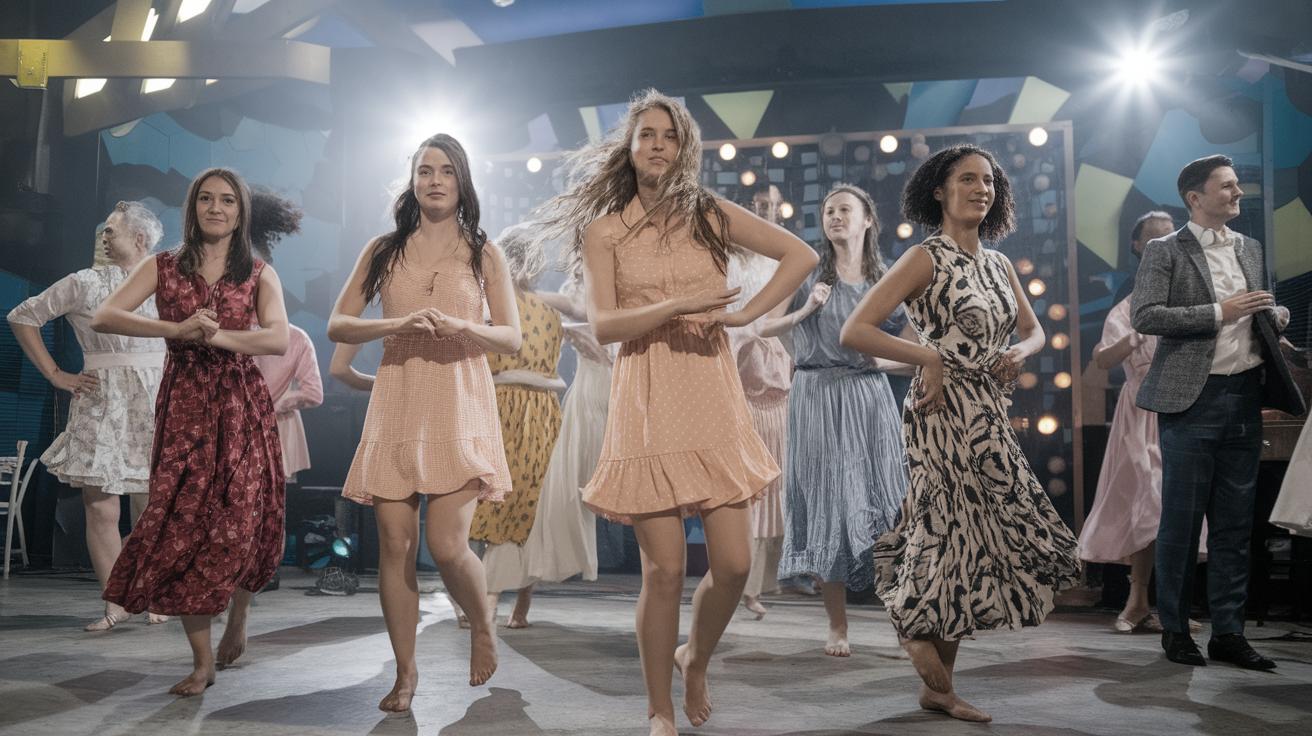
Why Do People Dance?
Dance is a universal language, transcending cultural boundaries and eras of time. Humans have danced for countless reasons — from ritualistic ceremonies to personal expression. In this blog post, we delve into the myriad reasons humans are drawn to dance, exploring the psychological, neurological, and physiological aspects that make dance an intrinsic part of human life. We will discuss how our bodies respond intuitively to rhythm, how music affects our emotions, and how our brains light up during dance. Furthermore, we will explore the innate ability humans have for dance, as well as observing how some animals exhibit similar rhythmic behaviors. This post will provide a comprehensive look into the fascinating reasons behind why we dance.
Authors
Authors
The insights provided in this blog post are a collaborative effort by a team of cultural historians, psychologists, and neuroscientists, alongside contributions from avid dancers and choreographers. Each author brings a unique perspective on the multifaceted nature of dance, offering an in-depth analysis of its impact on the human condition. Through their combined expertise, they aim to shed light on dance as an essential component of human experience.
Young Reviewers
Our young reviewers, ranging from ages 13 to 18, offer fresh perspectives on dance and its role in the lives of today’s youth. These young voices share their personal experiences and insights into how dance serves as both a creative outlet and a medium for social interaction among their peers. Their input is invaluable in highlighting the ways dance continues to resonate with new generations.
Our Bodies Get Synced to the Rhythm of Music
Dance is often a physical response to rhythm. Our bodies seem naturally predisposed to move in time with music, as if they are compelled to sync with the beat. Neurological studies suggest that rhythmic movement is not only an expression of bodily freedom but also a synchronization process that harmonizes our bodily functions. This instinctual synchronization is why people tap their feet or sway their hips when they hear music.
When we dance, various neural circuits in the brain become activated, particularly those involved in motor control and emotional responses. Studies show that rhythm can improve coordination and timing, enhancing overall motor skills. This synchronization also brings a sense of unity and connection, both within ourselves and with others who share our space on the dance floor, creating a communal bond through shared rhythmic engagement.
Our Minds Emotionally Bond to Music
Emotion is a powerful component of the dance experience. Music often evokes strong emotional responses, and dance allows us to physically manifest those feelings. Whether we are expressing joy, sadness, or triumph through movement, dance serves as an emotional outlet and a tool for personal storytelling. It can be therapeutic, helping individuals process complex emotions and experiences.
The emotional power of dance is also rooted in its social dynamics. Dancing can be a conduit for empathy and communication, as we connect with others through shared movements and expressions. These emotional bonds enhance the enjoyment of dance, making it a powerful medium for human connection and storytelling.
Music Lights Up the Brain
When we listen to music, our brains experience a surge of activity. Music stimulates the release of dopamine, a neurotransmitter associated with pleasure and reward. This chemical response explains the joy and exhilaration often felt during dance. The brain’s auditory cortex, responsible for processing sound, works in conjunction with motor regions to coordinate movement, resulting in a harmonious blend of sensory and motor experiences.
Moreover, scientific research has uncovered that music and dance can enhance cognitive function. Dance requires a combination of balance, coordination, and timing, engaging multiple brain areas and improving neuroplasticity. This multi-faceted involvement makes dance not only a celebration of life but also a booster for brain health, promoting better memory, focus, and creativity.
We Are All Born to Enjoy Dancing
Dance seems to be inherently wired into human behavior. Even infants, upon hearing a rhythm, start to sway or bounce, suggesting an innate inclination to move in response to music. This universal propensity for rhythmic movement indicates that dance is a fundamental human trait, born from evolutionary survival needs and social bonding behaviors.
Throughout history and across cultures, dance has been a constant element of human societies, an indicator of its deep roots in our collective psyche. Its universality across ages and cultures points to an intrinsic connection between humans and rhythmic movement, reinforcing the idea that we are all natural-born dancers.
Some Animals Can Dance, Too!
While dance is often associated with human expression, certain animal species exhibit dance-like behaviors that intrigue scientists. Birds, such as the lyrebird and the cockatoo, often synchronize their movements to rhythm, an ability once thought to be uniquely human. This suggests that the cognitive and neurological underpinnings of dance might be more widespread in the animal kingdom than previously believed.
These observations indicate that rhythm and movement could be fundamental aspects of communication and social interaction among animals, similar to humans. By studying such behaviors, we can gain insight into the evolutionary development of dance and rhythm and how these skills impact survival and reproductive success in natural habitats.
Lessons Learned
| Aspect | Description |
|---|---|
| Body and Rhythm | Dance synchronizes our body with music, enhancing coordination and motor skills. |
| Emotional Connection | Dance serves as an emotional outlet and fosters social bonds through shared experiences. |
| Brain Activation | Music and dance stimulate the brain, enhancing cognitive functions and releasing dopamine. |
| Innate Propensity | Humans are predisposed to dance, with infants showing early responses to rhythm. |
| Animal Rhythms | Certain animals exhibit rhythmic movements, suggesting a broader evolutionary significance. |
Conflict of Interest
The authors declare no competing interests related to the topics discussed in this article.
Article Information
This article has been peer-reviewed and engages with contributors from various backgrounds to ensure a broad and inclusive perspective on the subject of dance.
Glossary
Dopamine:
A neurotransmitter that plays roles in how we feel pleasure.
Neuroplasticity:
The brain’s ability to reorganize itself by forming new neural connections throughout life.
Auditory Cortex:
Part of the brain that is involved in the processing of sound information.
Citation
Please cite this article as follows: [Author Names]. Why Do People Dance? [Year], [Publisher].
Editor
The editorial team consists of experts in psychology, neuroscience, and the performing arts, ensuring a well-rounded examination of dance from both a scientific and cultural standpoint.
Science Mentors
Guidance provided by Dr. Amelia Chartwell and Professor Brian Riverton, specializing in dance anthropology and cognitive neuroscience, respectively.
Publishing Dates
First Published: October 2023
Related Articles
1. The Neuroscience of Dance: Exploring Movement and Music
2. Cultural Significance of Dance Throughout History
3. The Role of Rhythm in Animal Behavior Studies
Authors
Authors
Dedicated contributors from diverse academic and cultural backgrounds have collectively enhanced the understanding presented within this article, drawing on extensive research and first-hand experiences.
Young Reviewers
Feedback from young reviewers has woven in the perspectives of the younger generation, helping to bridge academic findings with contemporary cultural experiences.

