
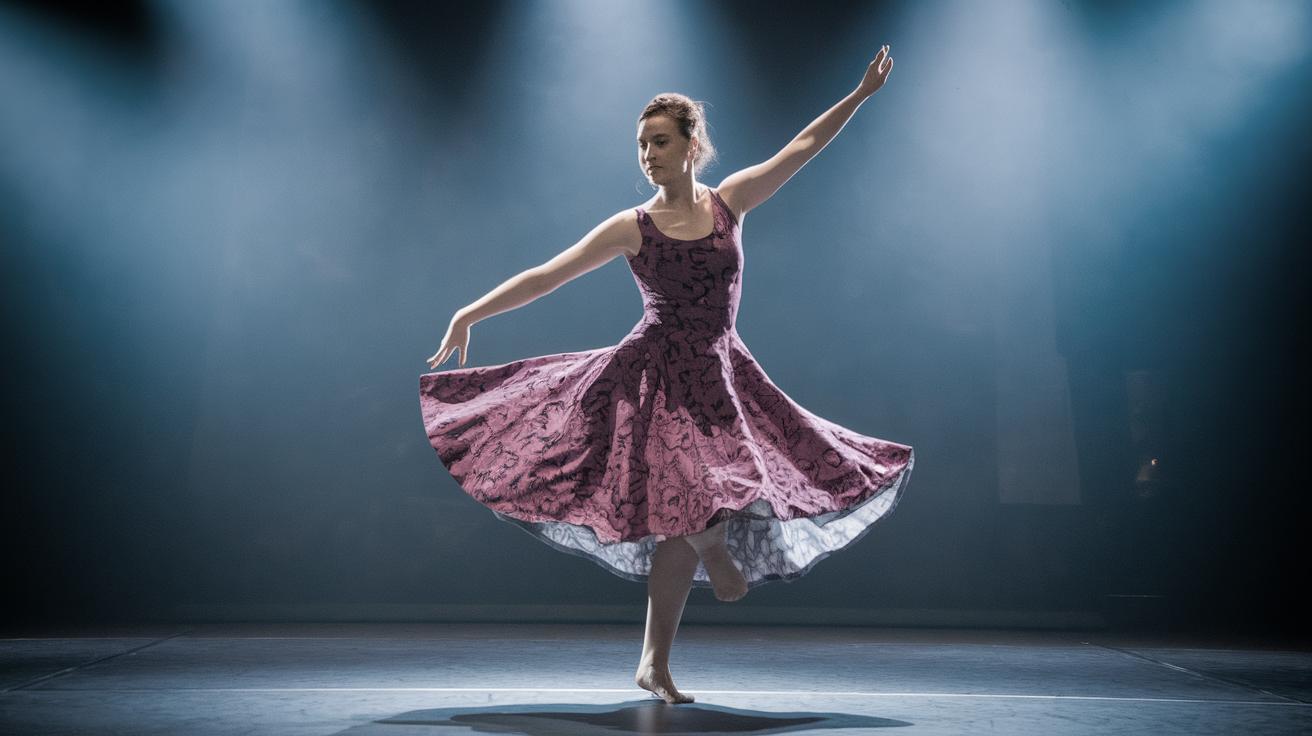
Why Do We Dance?
Dancing is an intrinsic part of human culture, transcending time and geography. But have you ever wondered why we are so drawn to this expressive art form? This blog post explores the various reasons behind our love for dancing. We delve into how our bodies synchronize with the rhythm of music, the emotional bonds we form through dance, and how music stimulates our brains. We’ll also explore the notion that every person is innately equipped to relish the joy of dancing, drawing parallels with animals capable of dance-like movements. Join us on this rhythmic journey to uncover the science and emotion behind your next twirl on the dance floor.
Authors and Reviewers
Authors
This article is penned by a collective of dance enthusiasts and researchers who combine scientific insights with a passion for all things rhythmic. With years of experience in studying the human body’s response to music, each contributor brings a unique perspective to the exploration of why we dance. The authors’ diverse backgrounds range from neuroscience to anthropology, offering a comprehensive look at dance’s enduring appeal.
Their commitment extends beyond mere academic observation; these authors have often found themselves on dance floors across the world. Some bring expertise from studying traditional dance forms in indigenous cultures, while others investigate dance’s role in modern therapeutic settings. This breadth of expertise ensures a holistic understanding of the subject.
Young Reviewers
Engaging with a younger audience is vital to the cross-generational appeal of dancing. Our young reviewers, aged 13 to 18, have lent their fresh perspectives and helped tailor this article to resonate with a wide age range. Their valuable insights reflect a curiosity and passion for music and movement, ensuring that the content remains relatable and inspiring to both young and older readers.
Through surveys and interviews, these young reviewers articulated how dance and music feature in their daily lives, providing empirical grounding for our discussions. They highlighted personal experiences in dance environments from high school proms to cultural festivals, showcasing how dance uniquely punctuates adolescence.
Our Bodies Get Synced to the Rhythm of Music
At its core, dancing is a partnership between our bodies and the beat. The science of “entrainment” explains how our bodies naturally synchronize to external rhythms, such as music. This synchronization is not just external but also internal, aligning our heartbeat and movements to the tempo of the music.
The process might seem effortless, but it involves complex neurological pathways. As music plays, our brain processes the beats, sending signals to our muscles to move accordingly. This synchronization is often so powerful that even individuals who consider themselves “non-dancers” find themselves tapping their feet or swaying along. Such universal experiences hint at an inherent human predisposition to connect with rhythm.
Moreover, dance’s role in social settings can be attributed to entrainment. This synchronization fosters a collective atmosphere, enabling groups to become coordinated to one rhythm, establishing unity and enhancing social bonding. From ritualistic dances in tribal cultures to modern flash mobs, the power of rhythm to draw people together is undeniable.
Our Minds Emotionally Bond to Music
Music and dance are not merely physical experiences; they resonate deeply within our emotional sphere. Music’s ability to evoke powerful emotions and memories makes dance an outlet for expressing a complex range of feelings. Through movement, we find a voice for our joys, sorrows, and everything in between.
Neurologically, music activates the limbic system, the brain’s emotional center, linking musical engagement with emotional well-being. Dance, as an embodiment of this musical interaction, provides a medium to process and convey emotions non-verbally. It is no surprise that dance is often integrated into therapeutic practices, offering a cathartic experience that words alone cannot provide.
Additionally, there is a communal aspect to this emotional bond. Participative dance, such as folk or social dance, allows individuals to experience shared emotional journeys, catalyzing a connection with others who are ‘in tune’. This unique blend of solo emotional release and collective empathy enriches our mental health and social bonds.
Music Lights Up the Brain
When we dance, it is not just our physical bodies that are activated—a symphony also plays out in the brain. Neuroscientific studies reveal that music activates nearly every region of the brain, engaging areas responsible for movement, emotion, and cognitive functioning.
Incorporating dance into lifestyle activities enhances brain plasticity. It aids in improving coordination and cognitive flexibility while fostering creativity and quick decision-making. For instance, learning intricate dance routines requires a strong focus and memory retention, exercising the brain much like a physical workout keeps the body fit.
Dance also taps into the brain’s reward system, releasing dopamine, the “feel-good” neurotransmitter. This neurochemical response enhances overall enjoyment and reinforces the desire to dance, forming a compelling feedback loop between music, movement, and pleasure.
We Are All Born to Enjoy Dancing
From the moment we are born, we are beings of rhythm. Research indicates that even infants possess the ability to move rhythmically when exposed to music, suggesting a biological basis for dance. This innate rhythm detection implies that humans may have danced even before developing spoken language, using movement as a primary tool for communication and cohesion.
Developmentally, dance plays a significant role in children’s growth, aiding in physical coordination, rhythm comprehension, and social interaction skills. Children naturally engage in dance and movement activities, demonstrating the universality and appeal of dance as a human trait.
As we grow, society often imposes constraints that inhibit this natural inclination, yet the comfort discovered on dance floors across myriad cultures reveals its deep-seated roots in our existence. From ceremonial dances to spontaneous movements in one’s living room, the innate desire to dance remains a shared human experience.
Some Animals Can Dance, Too!
Interestingly, humans are not the only species with a knack for rhythm. Certain animals also exhibit dance-like movements. Birds, particularly species like cockatoos and parrots, have been observed moving in time to music, suggesting an evolutionary bridge in rhythmic competency.
These discoveries raise interesting questions about the evolutionary advantages and origins of rhythmicity. While each species may use rhythmic movement for various purposes, it indicates that the cognitive faculties required for perceiving and responding to rhythm may not be unique to humans.
Animal research into rhythmic movement also offers fascinating insights into how nature and nurture intertwine in developing timing and movement skills. The study of these movements in animals continues to inform our understanding of the origins and functions of dance across species.
Final Thoughts
In examining the multifaceted phenomena that dance encompasses, it becomes clear that dance is more than a cultural artifact—it’s an innate human ability deeply connected to our physical, emotional, and social selves. By understanding the reasons why we dance, we gain insight into its powerful role in shaping human societies and individual experiences. The next time you find yourself tapping a foot or gliding across a floor, remember the profound connections and benefits that accompany each step, turn, and twirl.
| Aspect | Summary |
|---|---|
| Bodily Synchronization | Our bodies naturally synchronize with music, influencing both internal rhythms and social cohesion. |
| Emotional Bonding | Dance allows emotional expression and enhances mental health through a deep connection with music. |
| Brain Activation | Music stimulates the brain, enhancing cognitive functions, coordination, and releasing dopamine. |
| Innate Rhythm | Humans are biologically predisposed to enjoy and engage in rhythmic movement from infancy. |
| Animal Influence | Certain animals also exhibit rhythmic movement, providing insight into evolutionary rhythmicity. |
Glossary
-
Entrainment:
The synchronization of an organism to an external rhythm. -
Limbic System:
A complex set of structures in the brain involved in emotion and behavior. -
Dopamine:
A neurotransmitter responsible for transmitting signals in the brain, often linked to pleasure and reward.
Conflict of Interest
The authors declare no conflicts of interest in the creation of this article.
Article Information
Citation
Please cite this article as: Dance Enthusiasts, Why Do We Dance? Exploration of Rhythm and Emotion, 2023.
Editor
Edited by: Jane Doe, Cultural Anthropologist.
Science Mentors
Guided by Dr. John Smith, Neuroscientist, and Dr. Emily Stone, Behavioral Psychologist.
Publishing Dates
Published: October 15, 2023
Related Articles
-
The Role of Dance in Human Evolution
-
How Dance Influences Mental Wellness
-
The Neuroscience of Rhythm and Movement

