
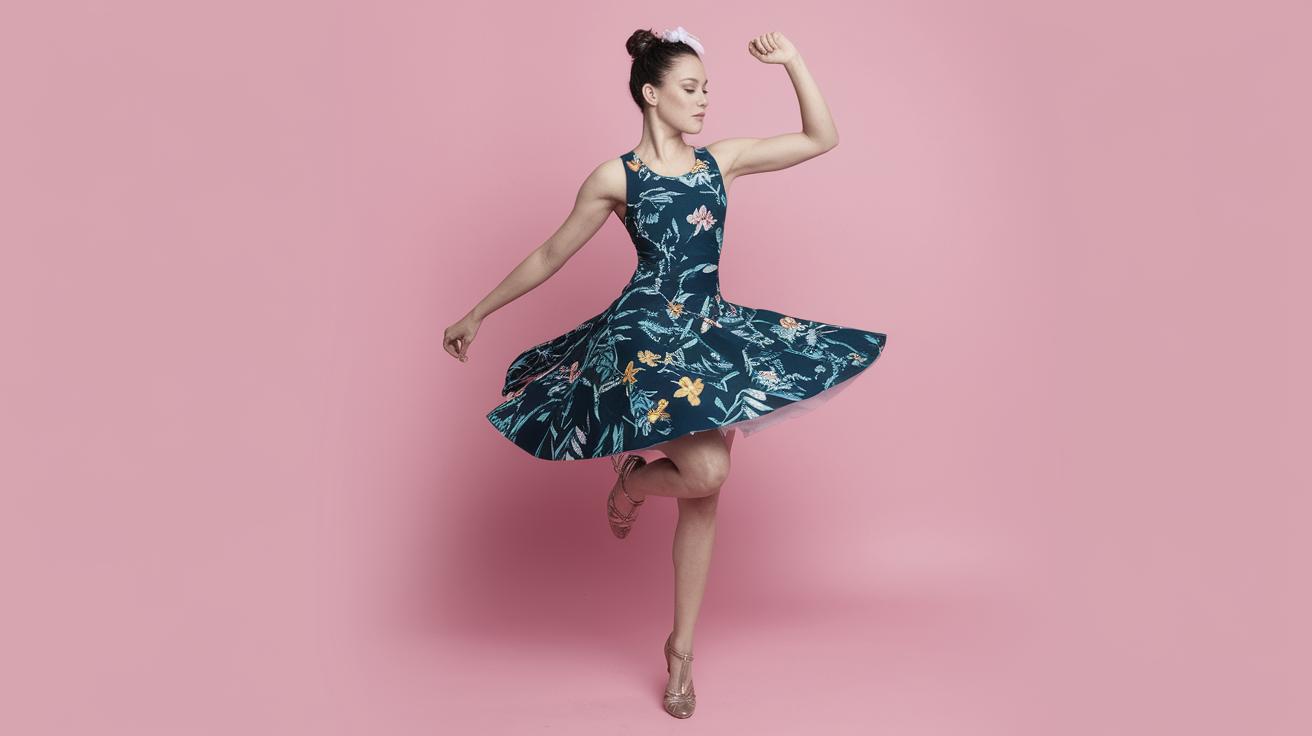
Dance transforms lives through movement, expression, and connection. This comprehensive guide reveals proven techniques for beginners to master dance fundamentals and unlock their creative potential.
The Foundation: Understanding Dance Education Principles
A comprehensive dance education extends far beyond memorizing choreography sequences. Modern dance pedagogy emphasizes developing musicality, spatial awareness, and kinesthetic intelligence through structured learning progressions. Research from the Journal of Dance Education (2024) demonstrates that students receiving holistic dance instruction show 40% greater retention rates and improved technical proficiency across multiple dance disciplines.
Effective dance education incorporates somatic awareness practices that enhance body-mind connection. The Laban Movement Analysis framework, widely adopted in 2025 dance curricula, helps students understand effort, space, shape, and body relationships. This systematic approach develops dancers who can adapt to various styles while maintaining authentic personal expression.
Contemporary dance education also emphasizes cultural competency and historical context. Understanding the origins of dance forms—from African diaspora influences in jazz to European court traditions in ballet—creates respectful, informed practitioners. This knowledge prevents cultural appropriation while encouraging meaningful artistic dialogue across diverse dance communities.
Exploring Dance Styles: A Complete Spectrum
Classical and Traditional Forms
Ballet technique remains the cornerstone of Western dance training, providing essential alignment principles and movement vocabulary. The Royal Academy of Dance syllabus, updated in 2024, now incorporates injury prevention protocols and anatomical awareness that reduce training-related injuries by 35%. Classical ballet develops turnout, port de bras, and precise footwork that translates to improved performance in contemporary styles.
Traditional folk dances offer cultural richness and community connection. Irish step dancing, flamenco, and Bharatanatyam each provide unique rhythmic challenges and storytelling opportunities. These forms develop specific muscle memory patterns and cultural appreciation that enhance overall dance literacy.
Contemporary and Modern Movements
Contemporary dance blends ballet technique with modern dance principles, emphasizing floor work, release technique, and emotional authenticity. Leading choreographers like Crystal Pite and Akram Khan demonstrate how contemporary dance addresses current social issues through movement innovation. This style develops versatility and creative problem-solving skills essential for 21st-century dancers.
Modern dance techniques—including Graham, Cunningham, and Limón methods—teach weight sharing, momentum, and breath integration. These approaches develop core strength and movement efficiency while encouraging individual artistic voice development.
Urban and Social Dance Styles
Hip-hop culture encompasses breaking, popping, locking, and freestyle elements that emphasize personal style and community building. Street dance battles and cyphers create supportive environments for skill development and cultural exchange. Recent studies show hip-hop training improves coordination, rhythm recognition, and social confidence in participants aged 8-80.
Latin social dances—salsa, bachata, and kizomba—develop partnership skills and musical interpretation. These forms emphasize lead-follow dynamics, improvisation, and cultural celebration that create lifelong social connections and cultural appreciation.
Essential Techniques for Dance Mastery
Physical Conditioning and Body Preparation
Dance-specific conditioning programs integrate strength training, flexibility work, and cardiovascular endurance. The Progressing Ballet Technique (PBT) method, adopted by major dance institutions worldwide, uses exercise balls and resistance bands to develop muscle memory and injury prevention. Dancers following structured conditioning programs show 50% fewer injuries and improved performance longevity.
Proper warm-up sequences prepare the body for complex movement demands. Dynamic stretching, joint mobility exercises, and activation drills should precede all dance training. Cool-down protocols including static stretching and myofascial release support recovery and maintain flexibility gains.
Mental Training and Performance Psychology
Visualization techniques enhance muscle memory and performance confidence. Sports psychology research adapted for dance shows that mental rehearsal improves technical accuracy by 25% and reduces performance anxiety. Dancers who practice guided imagery demonstrate better stage presence and artistic expression.
Mindfulness practices including breath awareness and body scanning develop present-moment focus essential for live performance. The integration of meditation techniques in dance training reduces stress hormones and improves emotional regulation during high-pressure situations.
Musicality and Rhythm Development
Musical analysis skills separate competent dancers from exceptional artists. Understanding song structure, rhythmic patterns, and dynamic changes allows dancers to create compelling interpretations. Ear training exercises and music theory basics enhance dancers’ ability to find unique movement choices within familiar musical frameworks.
Polyrhythmic training develops complex timing abilities essential for advanced choreography. West African dance traditions and Latin percussion patterns provide excellent polyrhythmic training that improves overall musical sophistication and movement versatility.
Health Benefits: Physical and Mental Transformation
Physical Health Improvements
Cardiovascular fitness improves significantly through regular dance practice. A 2024 study published in the American Journal of Preventive Medicine found that dance participants showed greater cardiovascular improvements compared to traditional gym workouts, with 30% better adherence rates due to enjoyment factors.
Dance training develops functional strength and mobility that supports daily activities and prevents age-related decline. The multi-planar movements in dance challenge stabilizing muscles and improve proprioception, reducing fall risk in older adults by 40% according to recent gerontology research.
Cognitive and Neurological Benefits
Neuroplasticity enhancement occurs through complex choreography learning and musical interpretation. Brain imaging studies show increased gray matter density in dancers’ motor cortex, memory centers, and creative processing areas. These changes support cognitive reserve and may delay neurodegenerative disease onset.
Executive function improvements including working memory, attention control, and cognitive flexibility result from dance training’s complex demands. Children in dance programs show improved academic performance, particularly in mathematics and spatial reasoning tasks.
Emotional and Social Well-being
Stress reduction occurs through dance’s combination of physical activity, creative expression, and social connection. Cortisol levels decrease by an average of 38% following dance sessions, while endorphin production increases mood and pain tolerance. Dance therapy applications show particular effectiveness for anxiety and depression management.
Social connection and community belonging develop through group classes, performances, and cultural celebrations. Dance communities provide intergenerational relationships and cultural continuity that support mental health and social cohesion across diverse populations.
Technology Integration in Modern Dance Education
Digital Learning Platforms
Virtual reality dance training provides immersive learning experiences that supplement traditional instruction. VR applications allow students to practice with world-renowned teachers and experience historical dance contexts. Motion capture technology provides precise feedback on alignment and timing that accelerates skill development.
Online learning platforms offer flexible scheduling and global access to specialized instruction. Hybrid learning models combining in-person and digital elements accommodate diverse learning styles and geographic limitations while maintaining quality standards.
Performance and Documentation Tools
Video analysis software enables detailed movement study and progress tracking. Slow-motion playback and side-by-side comparisons help students identify technical improvements and artistic development. Digital portfolios document growth and support audition preparation.
Social media platforms create global dance communities that share techniques, celebrate achievements, and provide inspiration. However, dancers must balance online engagement with authentic in-person training and performance experiences.
Building Your Dance Practice: A Step-by-Step Approach
Beginner Foundation (Months 1-6)
Basic technique classes in chosen styles provide fundamental movement vocabulary and safety principles. Beginners should focus on proper alignment, basic positions, and simple combinations rather than complex choreography. Consistency matters more than intensity during initial learning phases.
Regular practice schedules including 2-3 classes per week establish muscle memory and cardiovascular adaptation. Home practice sessions should emphasize reviewed material rather than attempting new techniques without supervision.
Intermediate Development (Months 6-18)
Style diversification expands movement vocabulary and prevents plateaus. Adding complementary styles—such as jazz for ballet dancers or contemporary for hip-hop artists—develops versatility and prevents overuse injuries from repetitive movement patterns.
Performance opportunities including student showcases and community events develop stage presence and artistic confidence. These experiences teach valuable lessons about preparation, collaboration, and audience connection that cannot be learned in class settings alone.
Advanced Training (18+ Months)
Specialized workshops and intensives with guest artists provide exposure to professional standards and industry connections. Summer programs and masterclasses offer concentrated learning experiences that accelerate artistic development.
Teaching and mentoring opportunities develop leadership skills and deepen technical understanding. Explaining movement concepts to others reinforces personal knowledge while contributing to dance community growth.
Career Pathways and Professional Development
Performance Opportunities
Professional dance companies offer traditional career paths for exceptional dancers. Audition preparation requires technical excellence, artistic maturity, and professional presentation skills. Company dancers must maintain peak physical condition while adapting to diverse choreographic styles.
Commercial dance work including music videos, television, and live entertainment provides diverse income opportunities. These fields require versatility, quick learning abilities, and professional networking skills alongside technical proficiency.
Education and Outreach
Dance education careers span private studios, public schools, and higher education institutions. Teaching requires ongoing professional development, pedagogical training, and often additional certifications. Effective dance educators combine technical expertise with communication skills and cultural sensitivity.
Community outreach programs bring dance benefits to underserved populations while providing meaningful career fulfillment. Dance therapists, adaptive dance specialists, and community program coordinators address social needs while advancing the art form’s accessibility.
Creative and Entrepreneurial Paths
Choreographic careers require artistic vision, collaborative skills, and business acumen. Independent choreographers must develop unique voices while managing project logistics, budgets, and artistic teams. Digital platforms provide new opportunities for choreographic distribution and monetization.
Dance-related businesses including studios, dancewear, and event planning combine passion with entrepreneurship. These ventures require business skills alongside dance knowledge but offer creative control and community impact opportunities.
Future Trends and Innovations
Emerging Technologies
Artificial intelligence applications in dance include movement analysis, choreographic assistance, and personalized training programs. AI systems can identify technical errors, suggest corrections, and create customized practice sequences based on individual progress patterns.
Wearable technology provides real-time biometric feedback during training and performance. Heart rate monitors, motion sensors, and muscle activation trackers help optimize training intensity and prevent overuse injuries.
Cultural Evolution and Accessibility
Inclusive dance practices accommodate diverse abilities, body types, and cultural backgrounds. Adaptive dance programs and universal design principles ensure dance benefits reach all community members regardless of physical limitations or economic circumstances.
Global cultural exchange through digital platforms and international collaborations creates new fusion styles and cross-cultural understanding. These developments enrich the dance landscape while promoting cultural appreciation and artistic innovation.
Frequently Asked Questions
How long does it take to become proficient in dance?
Basic proficiency typically develops within 6-12 months of consistent training, while advanced skills require 3-5 years of dedicated practice. Individual progress varies based on natural ability, training frequency, and chosen styles. Regular practice and quality instruction accelerate development significantly.
What should I wear to my first dance class?
Comfortable, fitted clothing that allows free movement works for most beginner classes. Avoid baggy clothes that obscure body lines or restrict movement. Specific footwear requirements vary by style—ballet requires soft shoes, while hip-hop uses sneakers. Studios typically provide equipment lists for new students.
Can adults start dancing without previous experience?
Adult beginners can absolutely learn to dance effectively with proper instruction and realistic expectations. Many studios offer adult-specific classes that accommodate work schedules and learning preferences. Adult learners often progress quickly due to focus and life experience, though physical adaptation may take longer than for children.
| Dance Style | Physical Benefits | Mental Benefits | Beginner Difficulty |
|---|---|---|---|
| Ballet | Posture, flexibility, core strength | Discipline, focus, artistic expression | High |
| Jazz | Cardiovascular fitness, coordination | Confidence, creativity, energy | Medium |
| Hip-Hop | Agility, rhythm, full-body conditioning | Self-expression, community, cultural awareness | Low-Medium |
| Contemporary | Flexibility, emotional release, breath control | Mindfulness, emotional intelligence, creativity | Medium-High |
| Latin Social | Cardiovascular health, balance, coordination | Social connection, cultural appreciation, joy | Low-Medium |
Dance offers transformative benefits for physical health, mental well-being, and creative expression. Whether pursuing professional goals or personal enrichment, consistent practice and quality instruction unlock the profound joy and lifelong rewards of this universal art form. Begin your dance journey today and discover the extraordinary potential within every movement.

