
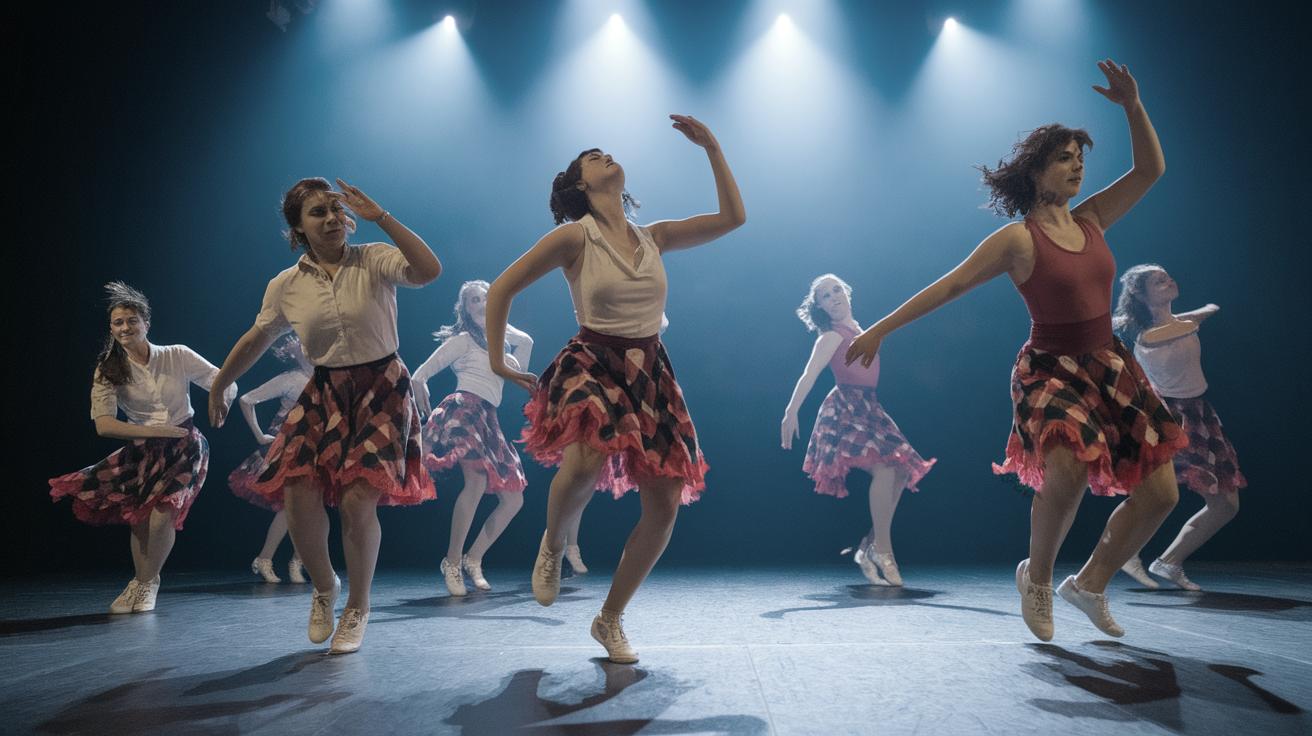
Why Do We Dance?
Dance is a universal language that transcends cultural boundaries. It has been a part of human culture since time immemorial, serving as a form of expression, communication, and celebration. This blog post delves into the intriguing reasons behind why we dance, examining the role of music in syncing our bodies and minds, the joy it brings, and its neurological impacts. We explore whether dancing is an innate human trait and touch upon the fascinating fact that some animals also display dance-like behaviors. The article provides insights from authors and young reviewers, sharing diverse perspectives on dance’s significance. By understanding the multifaceted reasons behind why we dance, we can better appreciate its role in our lives.
Authors
Authors
Dance has been an area of fascination for many authors and researchers who have delved into its various aspects. Authors in this field focus on diverse topics, including the anthropological roots of dance, its evolution over millennia, and its reflective capacity for societal norms and changes. Through their works, these writers illuminate the intricate relationship between dance, culture, and expression. They delve into historical records, examining artifacts and rites that showcase dance as a pivotal component of human history.
In addition to historical perspectives, authors explore the physiological and psychological benefits of dance. Scientific studies conducted and compiled by these authors demonstrate how even brief dance sessions release endorphins, thus enhancing mood and fostering emotional well-being. Through their writings, these authors encourage further exploration and understanding of why dance holds such a cherished place in the human experience.
Young Reviewers
Young Reviewers
Young reviewers have a unique lens through which they view dance, often focusing on the immediate joys and benefits it provides. Their reviews frequently describe personal experiences with dance, from school performances to cultural festivals, highlighting how dance brings communities together and fosters a sense of belonging. They also note the ability of dance to transcend language barriers, allowing for open communication and shared joy among participants.
Youthful perspectives on dance often emphasize its role as a stress-reliever. In an age where academic and social pressures are ever-increasing, dance provides an outlet for expression and creativity. Young reviewers advocate for more opportunities to incorporate dance into educational and social settings, supporting the idea that dance is not only a source of entertainment but also a critical component of mental and physical health.
Our Bodies Get Synced to the Rhythm of Music
The synchronization of our bodies to music is a fundamental aspect of dance. When we hear a beat, our bodies instinctively start to move in response. This phenomenon is not only enjoyable but also has roots in our evolution. Our ancestors likely used dance as a form of non-verbal communication, coordinating group movements essential for survival tasks like hunting and gathering.
In modern times, syncing to music continues to play a significant role in group cohesion. Whether during a choreographed dance or informal dancing at a concert, moving in sync with others reinforces social bonds. This synchronization also has cognitive benefits, aiding in the improvement of timing, coordination, and spatial awareness. Thus, through dance, music becomes a powerful medium for connecting people both physically and emotionally.
Our Minds Emotionally Bond to Music
Music has an incredible ability to evoke emotions, and when combined with the physical movement of dance, it creates a profound emotional experience. This bond between music and the mind is why certain songs can uplift our spirits, invoke nostalgia, or even bring us to tears. The combination of rhythm, melody, and movement often leads to a cathartic release.
Many dancers describe the experience as transcendent, where they feel completely in tune with the music and able to express emotions that words cannot convey. This emotional bonding is part of why dance has such a significant impact on mental health, providing an outlet for processing emotions and reducing stress. As a form of therapy, dance encourages self-expression and promotes healing on a psychological level.
Music Lights Up the Brain
Scientific research has shown that engaging with music and dance can significantly impact the brain. Neuroimaging studies reveal that music activates various brain regions associated with emotions, memory, and motor control. When people dance, these areas are further stimulated, leading to enhanced cognitive function and brain plasticity.
Furthermore, the endorphins released while dancing provide a natural high, creating feelings of euphoria and reducing anxiety. Dancing also activates the brain’s reward system, reinforcing the desire to engage in such enjoyable activities. These neurological benefits highlight why many health professionals incorporate dance into treatments for cognitive and mood disorders, emphasizing its role in maintaining a healthy and active mind.
We Are All Born to Enjoy Dancing
Intrinsically, humans possess the ability to enjoy and partake in dance, often observed in babies who instinctively move to music. Young children naturally exhibit rhythmic movements when exposed to music, highlighting that the impulse to dance is innate rather than learned. This natural inclination suggests that dancing aligns with our biological imperatives for social interaction and self-expression.
Exposure to music and movement during formative years plants the seeds for a lifelong appreciation for dance. As children grow, structured forms of dance provide opportunities to develop discipline, learn cultural traditions, and express creativity. Emphasizing the universality of dance matches the global community’s varied dance traditions, reflecting how every culture has dance at its core.
Some Animals Can Dance, Too!
Dance isn’t solely a human endeavor; some animals display behaviors akin to dancing. Birds, such as cockatoos, have been observed to move rhythmically to music. These movements are not mere random acts but suggest a level of rhythmic understanding similar to humans, indicating an innate responsiveness to beats and melodies.
Other animals that exhibit dance-like behaviors include seals and certain species of rodents. Research suggests that these movements may partially be for mating rituals or social bonding. The study of animals and their interaction with music highlights the broader biological implications of rhythm and movement, suggesting that dance-like behaviors might serve essential roles in communication across species.
Lessons Learned
| Aspect | Details |
|---|---|
| Authors’ Insights | Explore historical, physiological, and psychological perspectives on dance. |
| Young Reviewers | Highlight dance as a form of stress relief and a medium for community bonding. |
| Synchronization | Dancing to music strengthens social bonds and improves coordination. |
| Emotional Bonding | Music and dance together provide emotional release and improve mood. |
| Brain Activation | Dancing stimulates brain areas, enhancing cognitive functions. |
| Innate Inclination | Humans are naturally predisposed to enjoy dancing from a young age. |
| Animal Interaction | Some animals exhibit dance-like behaviors, highlighting the biological roots of dance. |
Conflict of Interest
The authors declare no conflict of interest related to the publication of this article.
Article Information
Citation
Phil. “Why Do We Dance?” Phil’s Insightful Review Blog, October 2023.
Editor
Edited by Phil’s Review Editorial Team.
Science Mentors
Guidance provided by experts in neurology and anthropology.
Publishing Dates
Published in Phil’s Review Blog, October 2023.
Related Articles
Explore further with articles on the anthropological history of dance, its role in different cultures, and the cognitive impact of rhythm.

