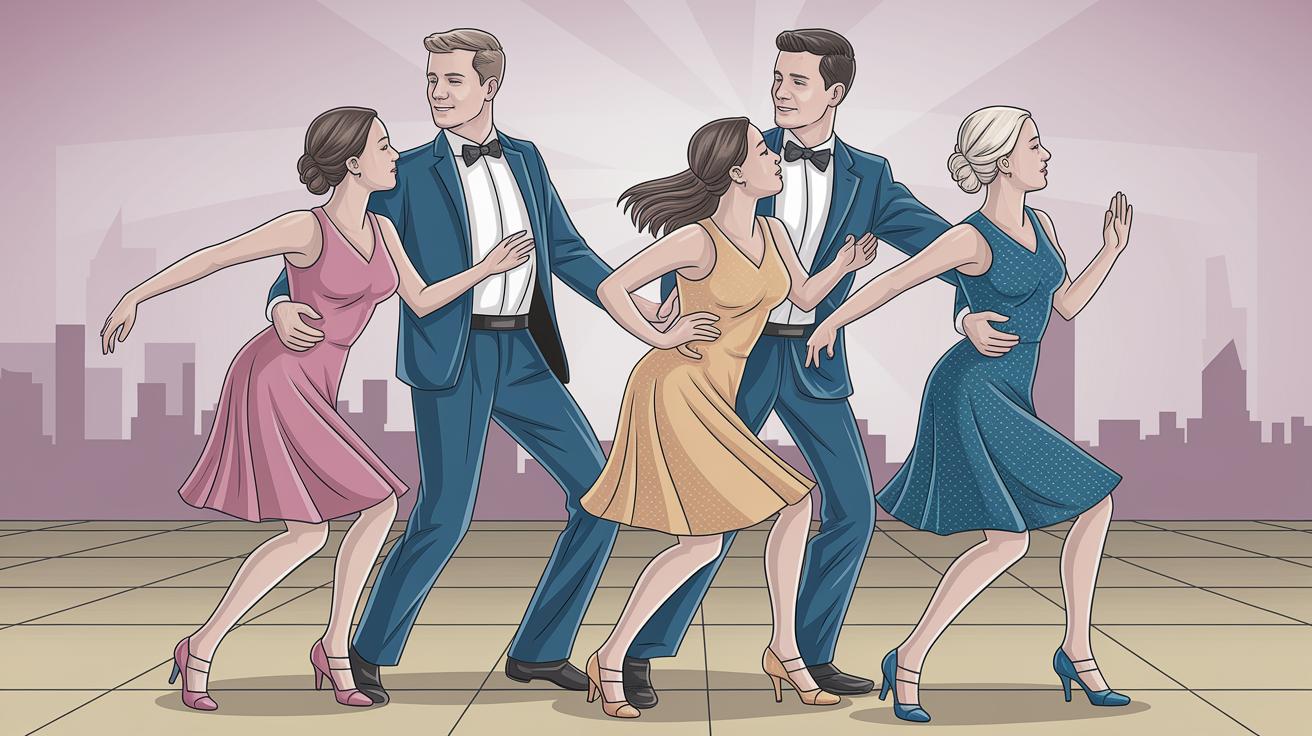
How to Dance for Beginners
Introduction
Dancing is a beautiful form of artistic expression that transcends cultural and language barriers, offering a universal mode of communication and connection. For beginners, starting to dance can seem daunting. This guide provides an accessible approach to learning to dance by highlighting the basics, emphasizing the importance of good foundation, and nurturing an appreciation for diverse dance styles. With thoughtful instruction and practice, dancing can become a joyful and enriching part of daily life, opening doors to new social experiences and personal expression.
Importance of Well-Rounded Dance Education
A well-rounded dance education is crucial to developing as a dancer, especially for beginners. It encompasses learning various dance styles—from ballet and jazz to hip-hop and contemporary. Each dance style offers unique techniques and perspectives, enriching a dancer’s skills and artistic sense. Exposure to different styles allows beginners to discover their preferences and strengths, contributing to a more personalized and fulfilling dance journey.
Moreover, a comprehensive dance education fosters versatility and adaptability, essential qualities for any dancer. By understanding the foundation and nuances of multiple dance forms, beginners can cultivate a more dynamic and flexible approach to movement. This not only enhances their overall performance but also prepares them for diverse dance opportunities, whether in social settings, performances, or further training.
Dance education also instills important values such as discipline, perseverance, and teamwork. These lessons extend beyond the dance floor, influencing various aspects of personal growth and development. Engagement in dance education is an investment in lifelong learning and an exploration of one’s creative potential.
Getting Started with Basic Steps
To embark on a dance journey, mastering basic steps is essential. These fundamental movements serve as the building blocks for more complex sequences and styles. For beginners, focusing on simple steps such as the two-step, box step, or basic turns can provide a strong foundation. Repetition and practice are key to developing muscle memory and enhancing overall coordination.
Beginners should prioritize learning correct posture and alignment, as these factors significantly impact movement efficiency and appearance. Practicing in front of a mirror can help dancers self-correct and refine their techniques. Additionally, starting with slower paces before gradually increasing speed allows for better control and precision, significantly improving execution over time.
Choosing the Right Dance Style
Choosing the appropriate dance style aligns closely with individual interests and physical capabilities. Beginners are encouraged to explore various genres, from the classical elegance of ballet to the energetic expressions of hip-hop. Each style requires different skill sets, and sampling a range of dances helps learners find what resonates with them.
Moreover, different dance styles offer distinct benefits, whether for fitness, creative outlet, or social interaction. For instance, ballroom dancing is excellent for socializing, while contemporary dance allows for emotional expression and creativity. Understanding the unique attributes of each style enables beginners to make informed decisions based on their personal goals and lifestyle.
Finding Instruction and Resources
Locating quality instruction and learning resources is essential for beginners. Dance classes, whether in-person or online, offer structured guidance and personalized feedback. Beginner-friendly classes are widely available in community centers, dance schools, and gyms. Online platforms also provide convenient access to a variety of instructional videos and practice routines.
When selecting classes or resources, it’s important to consider the instructor’s qualifications and teaching style to ensure a positive and effective learning experience. Joining dance communities, both local and online, can also provide support, motivation, and opportunities for collaborative learning and performance.
Benefits of Regular Practice
Regular practice is a cornerstone of dance education. Consistent practice enhances muscle memory, stamina, and overall proficiency in movement. As beginners advance, they often notice improvements in their confidence and physical health, highlighting the holistic benefits of dance. Scheduling dedicated practice times and setting achievable goals fosters ongoing progress and commitment.
Additionally, regular practice encourages self-discipline and commitment, attributes that are beneficial in other life spheres. Embracing a routine allows beginners to track their progress and celebrate milestones, creating a rewarding and motivating dance journey. Persistence and dedication breed improvement and artistic fluency.
Future Prospects
The journey of dance is a continual exploration of self-expression and creativity. As beginners advance, they may choose to delve deeper into specific dance styles, participate in performances, or even pursue teaching opportunities. The opportunities are vast, and the personal growth that accompanies dance is invaluable.
Looking ahead, the prospects for those who embrace dance are promising. As a dynamic and ever-evolving art form, dance offers lifelong learning opportunities and pathways to personal enrichment. Beyond the physical movements, dance nurtures a sense of community and cultural appreciation, making it both an art and a way of life.
| Section | Key Points |
|---|---|
| Importance of Well-Rounded Dance Education | Exposure to various styles, fosters versatility, develops discipline. |
| Getting Started with Basic Steps | Foundation through basic steps, practice alignment and posture, gradual speed increase. |
| Choosing the Right Dance Style | Explore different styles, align choices with personal interest, understanding style benefits. |
| Finding Instruction and Resources | Utilize classes and online resources, importance of qualified instructors, community benefits. |
| Benefits of Regular Practice | Enhances proficiency, builds confidence, fosters self-discipline. |