How to Dance on Beat: Mastering the Rhythm
Finding yourself on the dance floor with an urgent need to match your movements to the rhythm? You’re not alone. Dancing on beat is both an art and a skill, one that demands listening, observing, and feeling the music. In this post, we’ll explore key strategies to help you dance confidently and rhythmically, from knowing the music you move to, identifying rhythm cues, feeling the beat within you, to understanding the intimate dance between movement and sound. Whether you’re dancing solo or with a partner, these insights will enhance your ability to connect musically and express yourself freely. Let’s get you moving in harmony with any beat that comes your way!
1. Listen before you dance.
Before you lace up your dancing shoes, take a moment to immerse yourself in the music. By simply listening, you begin to recognize patterns, beats, and the overall flow of the song. This auditory preparation forms the foundation of your ability to dance on beat. It’s similar to familiarizing yourself with a new language before you speak; comprehension precedes expression.
Listening attentively enables you to discern the tempo and mood of a piece, guiding your innate sense of readiness to join the rhythm. Whether it’s a fluid melody or a punchy beat, this awareness is key to moving in sync with the music when you finally step onto the dancefloor.
2. Look for rhythm cues in the music.
Music is rich with cues that guide your dance movements. From drum patterns to bass lines, every song has distinctive elements that signal when and how to move. These cues function like a trail of breadcrumbs, leading you through the musical landscape and ensuring that your feet stay aligned with the instrumental path laid out for you.
Discovering these cues requires active listening and sometimes visualizing the shifts in a song. Recognizing instrumental changes, such as a switch from verse to chorus, provides an intuitive understanding of when to change your dancing style, speed, or even direction. This synchronization all begins with uncovering the rhythm cues locked within the music.
3. Feel the rhythm in your body.
Once you’ve picked up the rhythmical cues, it’s time to internalize them physically. Feeling the rhythm involves allowing the beat to resonate through your body, creating a synergy between your movements and the music. This isn’t about mechanical reproduction of the beat but an embodiment of the music’s essence.
One technique is to start with small movements like tapping your foot or swaying. Gradually, incorporate more body parts—your hips, arms, and shoulders—as you become more comfortable. Embracing the rhythm in this way ensures your movements are genuine, spontaneous, and perfectly timed with the beats.
4. Start easy.
If you’re new to dancing or getting accustomed to a new style, start simple. Focus on basic steps and movements that allow you to concentrate on staying on beat without overwhelming coordination. This approach builds your confidence and muscle memory, both crucial for more complex choreography down the road.
Starting easy also prevents you from getting discouraged. Remember, every advanced dancer once began with the basics. By mastering simple movements first, you lay a strong foundation upon which advanced techniques can be built.
5. Connect rhythmically with your partner.
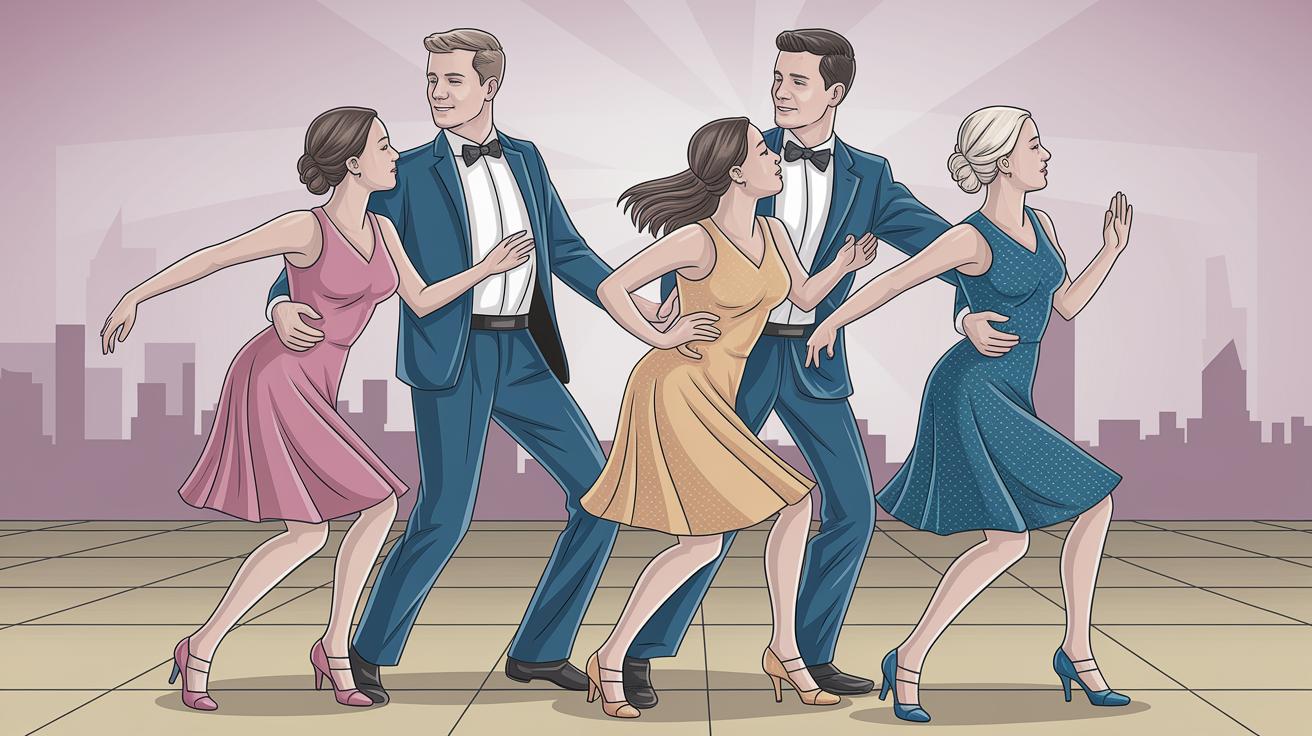
Dancing with a partner adds a layer of complexity to rhythm synchronization. Connection goes beyond holding hands; it involves attuning to each other’s movements and anticipating shifts in weight and rhythm. Practicing deep listening, not only to the music but to your partner, is crucial for conquering the dance floor together.
Communication is key. Utilize your physical connection, maintaining eye contact, and gently guiding each other through rhythmic turns and shifts. The more in sync your body language and cues are, the swifter you both adapt to the collective rhythm of the music and each other.
6. Understand the relationship between your movements and the beats.
Dancing is an embodied art that brings music into physical form. Understanding how your movements connect to each beat is a core component of dancing on rhythm. Each movement—whether a step, pivot or turn—should be thoughtfully aligned with the musical beats, creating a visual manifestation of the auditory experience.
Practice differentiating between on-beat movements (those that align with the strong beats) and syncopated movements (those that occur between beats) to add dynamics and interest to your dancing. This awareness transforms your dancing from mere motion to a captivating, rhythmic expression.
7. Practice new movements to a beat.
Incorporating new movements into your dance repertoire is an exciting but challenging endeavor. The key to seamless integration is practice, aimed at syncing new steps with the beats of various musical pieces. By repeatedly practicing new movements to a beat, you develop muscle memory, allowing your body to instinctively follow the rhythm without conscious thought.
Start with slow, repetitive practices, gradually increasing speed as you gain confidence and precision. This methodical approach may seem tedious, but it pays dividends when your new skills flow effortlessly on the dance floor.
8. Be confident.
Confidence is a dancer’s silent partner, profoundly influencing how you perceive rhythm and execute movements. Embrace your unique style and trust in your ability to sync with the beat. Confidence helps alleviate anxiety and allows you to fully engage with the music and your dance partner.
Enter the dance floor with a decisive spirit and assertiveness, not only drawing you deeper into the rhythm but also captivating your audience. If you believe in your rhythmical connection, others will too.
9. Explore various rhythm elements in a piece of music.
Diversifying your dance skills involves exploring different rhythm elements within every musical piece. This exploration includes recognizing time signatures, variations in tempo, and the interplay of different instruments creating layered rhythms. Becoming adept in these nuances enriches your dancing ability significantly.
By experimenting with different musical genres and styles, you expose yourself to a wide array of rhythmic possibilities. Each genre can introduce unfamiliar patterns and beats, broadening your interpretive scope and flexibility as a dancer.
10. Rhythm is king! (or queen!)
Ultimately, the foundation of any great dance lies in rhythm. While technical prowess and creativity are essential, they pale in comparison to the ability to harness and express the beat. Rhythm is the guiding force that elevates dance from mere movement to an art form.
“Rhythm is king (or queen)” encapsulates the essence of dance mastery. By prioritizing rhythm awareness and integration, you enhance your skills, conveying deep musical understanding and emotional expression through every step.
Final Thoughts
| Step | Description |
|---|---|
| Listen before you dance. | Familiarize yourself with the music, recognizing patterns and beats. |
| Look for rhythm cues in the music. | Identify instrumental cues to guide your dance movement. |
| Feel the rhythm in your body. | Internalize and synchronize your movements with the beat. |
| Start easy. | Begin with basic steps to build confidence and coordination. |
| Connect rhythmically with your partner. | Sync movements through communication and physical connection. |
| Understand the relationship between your movements and the beats. | Align physical expressions with musical beats for dynamic storytelling. |
| Practice new movements to a beat. | Develop muscle memory by repeatedly practicing to a beat. |
| Be confident. | Trust in your ability to match and express rhythm |
| Explore various rhythm elements in a piece of music. | Broaden your dance through familiarity with diverse genres and rhythms. |
| Rhythm is king! (or queen!) | Emphasize rhythm as the pivotal core of effective dance. |
About the Author
Phil is a passionate bibliophile and respected book reviewer with years of experience in the literary world. He draws parallels between his love for literature and the art of dance, understanding each as a form of storytelling and expression. Phil remains dedicated to inspiring others to explore and appreciate the rhythmic harmony found in both music and words.