
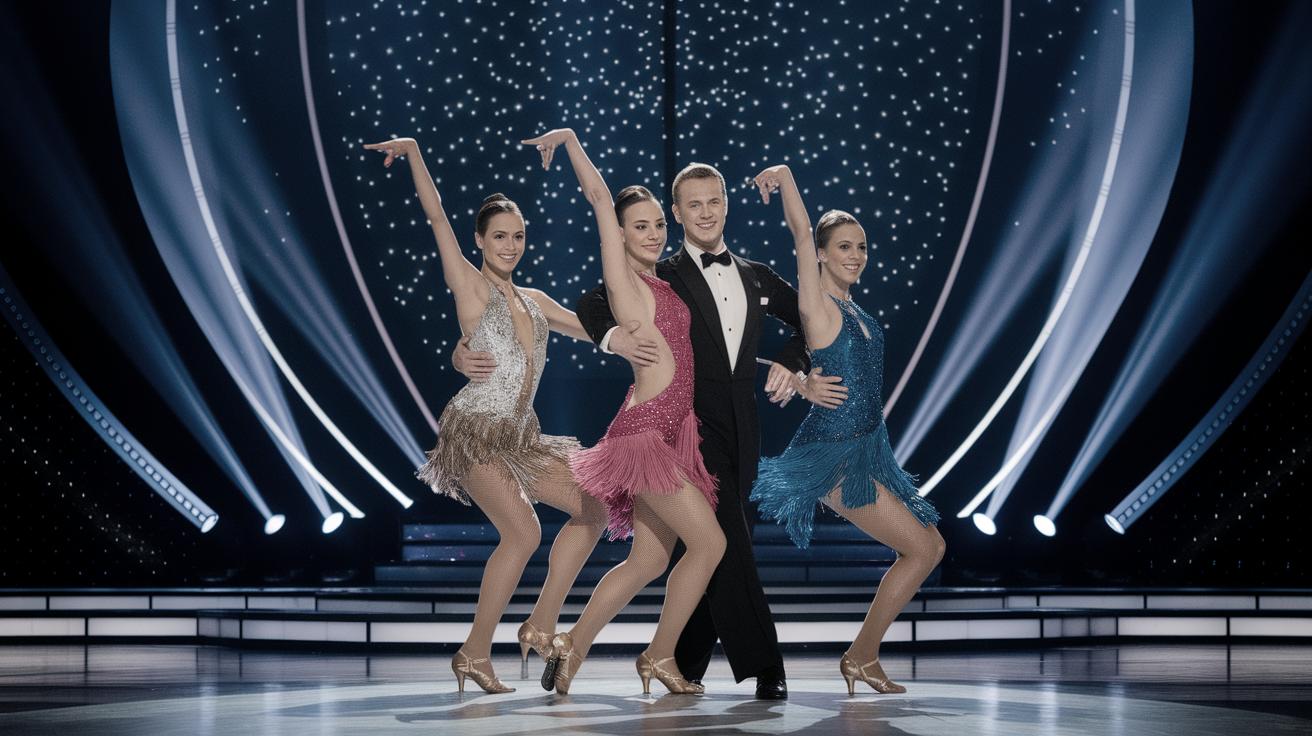
How to Dance Like Dancing with the Stars
Dancing with the Stars has become a phenomenon, captivating audiences with its blend of glitzy performances, professional choreography, and celebrity contestants. This blog post explores the key elements of dancing like the stars on this celebrated stage. Through a deep dive into the importance of a well-rounded dance education, the intrigue of the Instant Dance Challenge, critiques of sloppy dancing, insights into the CINEMABLEND newsletter, and the nature of judges’ apprehensions in scoring, readers will gain a comprehensive understanding of the show’s allure. Whether you’re an aspiring dancer or an avid fan, this guide is your ticket to understanding what it takes to shine in the spotlight.
Importance of Well-Rounded Dance Education
Becoming a successful dancer on Dancing with the Stars requires more than just knowing the steps to a routine. A well-rounded dance education lays the groundwork for understanding the nuance of each dance style, enabling a performer to emote and engage an audience physically and emotionally. Dance education encompasses technique, theory, and the history of styles, which are vital for building versatility and confidence on stage.
Dancers with a diversified background can adapt to the varied dance styles featured on the show, from the Argentine Tango’s passionate flavor to the Foxtrot’s smooth grace. Such versatility is crucial as dancers are challenged to perform different routines weekly, often outside their comfort zones. This broad knowledge base not only aids in executing steps with precision but also enhances creativity, allowing dancers to infuse personal flair into their performances.
Moreover, a comprehensive dance education fosters a sense of discipline and commitment that is indispensable for the demanding nature of the show’s schedule. From learning choreography to maintaining peak physical condition, a dancer’s ability to draw on their education and training becomes their most valuable asset in the competition.
What Was The Instant Dance Challenge?
The Instant Dance Challenge is a unique and exhilarating aspect of Dancing with the Stars where contestants face the unexpected. This challenge tests a dancer’s ability to adapt swiftly and perform under pressure, as they are given a piece of music mere minutes before they must step onto the floor and perform live. The element of surprise pushes contestants to rely on their instincts and connection with their partners.
The true allure of the Instant Dance Challenge lies in its unpredictability, as it showcases dancers’ raw talent and improvisational skills. Without the luxury of long rehearsals, the performers must tap into their innate creativity and the subtleties of their training to deliver a cohesive and entertaining performance. Viewers get to see a dancer’s ability to think on their feet, emphasizing the importance of musicality and the relationship between partners.
This aspect of the competition also reinforces the necessity for strong communication and trust between dance partners. The ability to interpret cues on the spot and adjust movements accordingly is a testament to the dancer’s experience and the depth of their partnership dynamics.
The Dancing Was Incredibly Sloppy
Not every performance on Dancing with the Stars is flawless. The contrasts between well-executed dances and those deemed “sloppy” by judges provide learning opportunities for viewers and aspiring dancers. Sloppy dancing on the show might stem from several factors, including lack of practice, unfamiliarity with a dance style, or nervousness under the show’s high-pressure environment.
Critiques of sloppy performances often highlight fundamental issues such as timing, posture, and synchronization. For example, a lack of unity in movement or inconsistent musicality can detract from the intended elegance or energy of a routine. Judges’ feedback, while sometimes harsh, is essential for dancers to grow and improve their skills.
Addressing critiques can be a defining moment for a contestant, as it pushes them to refine their techniques and focus on areas needing improvement. It exemplifies the dedication required to transform criticisms into powerful motivators for remarkable performances in subsequent rounds.
CINEMABLEND NEWSLETTER
The CINEMABLEND newsletter stands as a valued resource for fans eager to keep up with every twist and turn on Dancing with the Stars. This publication offers insights, updates, and exclusive content that keeps the audience engaged beyond the televised episodes. From behind-the-scenes peeks to personal interviews with the stars and professional dancers, the newsletter enriches the viewing experience.
Subscribing to the newsletter provides dance aficionados with a richer context of the show by delving into the creative processes, training regimens, and personal stories of contestants. It enables fans to form a deeper connection with the participants and appreciate the monumental effort involved in staging the show.
Additionally, the CINEMABLEND newsletter curates expert analyses and predictions, inviting fans to engage in discussions and express their support or critiques. This sense of community and dialogue elevates the show’s impact, transforming passive viewers into active participants in the Dancing with the Stars phenomenon.
The Judges Seemed Apprehensive To Give Low Scores
One aspect that often captures the audience’s attention is the judges’ hesitance to award low scores, even when performances fall short. This reluctance can be attributed to several factors, including the show’s emphasis on fostering a positive experience for celebrity participants and the complex dynamics of public perception.
While awarding low scores can be seen as discouragement, judges often aim to provide constructive criticism that encourages growth while acknowledging the vulnerability of non-professional dancers performing live. The balance between being critical and supportive is delicate, as judges navigate encouraging improvement without disheartening the contestants.
Moreover, the audience’s reactions and voting tendencies also play a role in the scoring dynamic. Judges are mindful of maintaining the show’s entertainment value, knowing that overly harsh scores can impact viewer engagement and the contestants’ journey. As a result, scoring can sometimes reflect an attempt to nurture a sense of possibility and hope.
| Topic | Summary |
|---|---|
| Importance of Well-Rounded Dance Education | Discusses the role of diverse dance education in preparing contestants for the variety of dance styles on the show, enhancing adaptability and creativity. |
| What Was The Instant Dance Challenge? | Explores the challenge of improvisation and adaptability, highlighting the importance of musicality and partner dynamics. |
| The Dancing Was Incredibly Sloppy | Analyzes factors contributing to poor performances and the significance of judge feedback in dancer development. |
| CINEMABLEND NEWSLETTER | Details the newsletter’s role in enhancing the fan experience with insights, exclusive content, and community engagement. |
| The Judges Seemed Apprehensive To Give Low Scores | Explains judges’ hesitance in scoring, balancing critique with encouragement to sustain contestant morale and viewer interest. |

