
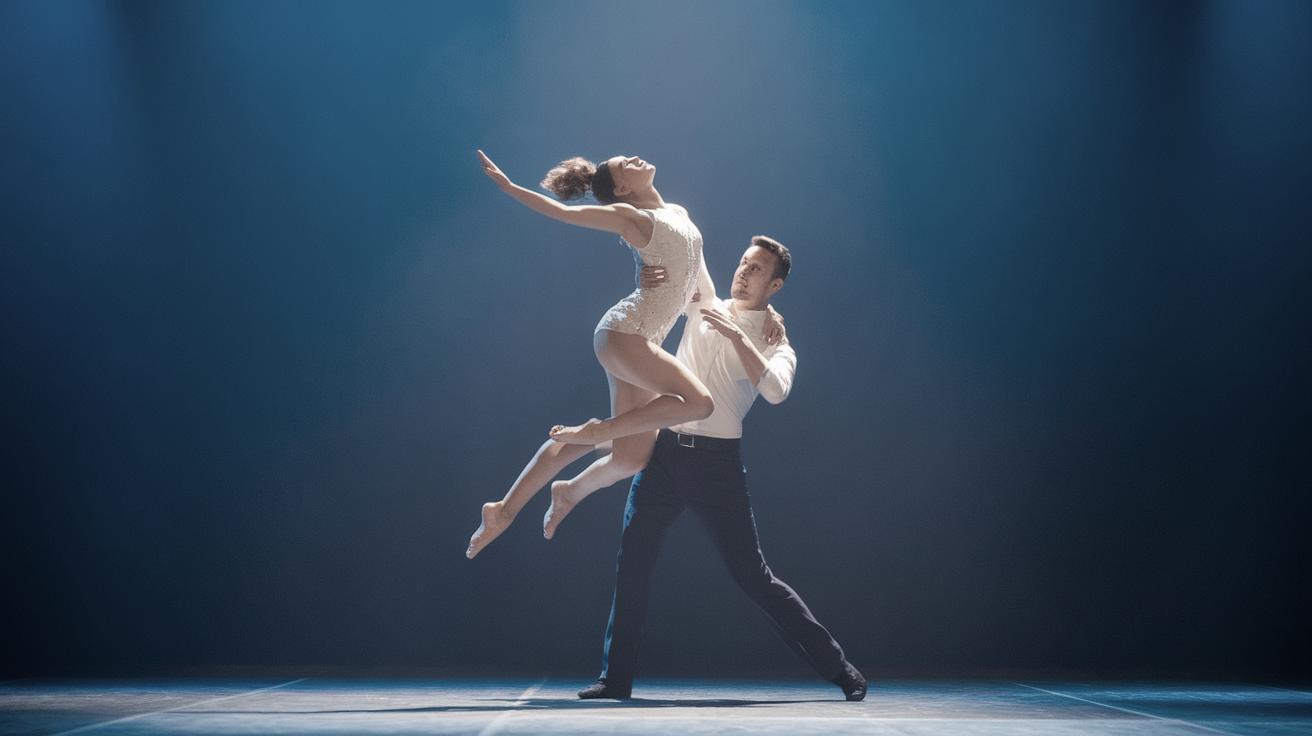
Mastering the Art of Dancing: Confidence and Elegance
Dancing is a powerful form of expression that transcends language, culture, and social boundaries. Learning how to dance gracefully requires dedication, creativity, and the ability to convey emotion through movement. In this post, we will delve into various aspects of dancing gracefully, with a particular focus on the delicate art of dancing atop a partner. We’ll explore techniques that prioritize safety, elegance, and mutual respect. From understanding the foundations of rhythm and body language to mastering advanced moves with confidence, this guide will equip you with the essential tools to become a more expressive and skilled dancer. Whether you are an experienced performer or a curious beginner, these insights will enhance your abilities and deepen your appreciation for the art of dance.
Understanding the Fundamentals of Dance
The art of dance begins with a keen understanding of rhythm and body awareness. Mastering the fundamentals allows you to express yourself creatively and with confidence. To start, you need to ground yourself in the basic steps and movements that form the backbone of most dance forms. Understanding tempo and rhythm is essential because it dictates the flow and timing of your movements. This requires practice, listening to music, and feeling the beats naturally in your body.
Body awareness is equally crucial in dance. It involves understanding your body’s capabilities and limitations. Engage in exercises that improve your flexibility, strength, and balance to enhance your movements’ fluidity and precision. Practicing in front of a mirror can be incredibly beneficial as it helps you visualize your movements and make necessary adjustments. Building a strong foundation will not only improve your technical skills but also boost your confidence on the dance floor.
Furthermore, understanding the cultural and historical context of the dance style you are pursuing can enrich your learning experience. Each style has unique roots and traditions, and by immersing yourself in this background, you can deliver a performance that is both authentic and expressive. This knowledge not only enhances your appreciation of the dance but also informs your movements, allowing you to dance with more nuance and meaning.
Partner Work: Synchronization and Support
Partner work in dance requires a deep sense of synchronization and mutual support. When dancing atop a partner, these elements become even more crucial as they ensure the safety and fluidity of the performance. Begin by establishing clear communication with your partner to align your intentions and movements. This synchronization extends beyond physical movements and includes emotional and rhythmic alignment.
The concept of support in partner dancing is not just about ensuring physical stability but also about building trust. As you engage in partner work, maintain a consistent level of communication. Practice foundational moves that involve lifts and holds, starting with basic steps and gradually moving to more advanced sequences. By ensuring mutual support, you reduce the risk of injury and enhance the overall aesthetic of your performance.
Additionally, practicing across various dance styles can enrich your partner work skills. Experiment with ballroom, contemporary, and even acrobatic elements to broaden your repertoire. Each style offers different techniques and moves that can be incorporated, adding diversity and richness to your partner dance performances.
Techniques for Graceful Movements
Graceful dancing entails fluidity, precision, and a natural flow that captivates audiences. Techniques to promote graceful movements include mastering transitions and understanding the nuances of weight distribution. Pay attention to how your body shifts between different poses and positions, ensuring each transition is smooth and deliberate.
Footwork is another critical aspect of graceful dancing. Practice exercises that improve your foot placement, agility, and timing. Simple drills such as moving through various foot patterns or dancing with a partner’s rhythm can increase your agility. These exercises also enhance your ability to react swiftly to changes in tempo or movement direction.
Furthermore, incorporating elements of improvisation into your practice can enhance your ability to perform gracefully under different conditions. By allowing spontaneity within a structured framework, you can adapt to unforeseen situations and express a more authentic and creative movement style.
Building Confidence Through Practice
Confidence in dance is often cultivated through continuous practice and self-reflection. Regularly dedicating time to practice can vastly improve your skills and performance presence. Set realistic goals and celebrate small achievements along your journey. This approach not only builds confidence but also provides motivation and direction for further growth.
Participating in workshops and dance events can provide valuable exposure to new techniques and styles. Engaging with a community of fellow dancers can foster an environment of support and encouragement, further boosting your confidence. These experiences allow you to step outside your comfort zone and experiment with new ideas and forms of expression.
Moreover, documenting your progress through video recordings can be a practical tool for self-assessment and improvement. By analyzing these recordings, you can gain insights into areas that require refinement and areas of strength. Coupled with professional feedback, this practice can significantly contribute to developing a confident and assured dance style.
Next Steps: Practice, Experiment, Collaborate
| Aspect | Key Points |
|---|---|
| Fundamentals of Dance | Master rhythm and body awareness; Embrace cultural context |
| Partner Work | Ensure synchronization and support; Practice across styles |
| Graceful Movements | Focus on smooth transitions and precise footwork; Incorporate improvisation |
| Building Confidence | Persist in regular practice; Engage with dance communities |
As you continue your journey in dance, remember that the art form is as much about personal exploration and connection as it is about technical mastery. Let your passion for dance guide your path, experimenting with new movements, practicing diligently, and collaborating with others to enrich your experience. Each step, whether on your own or atop a partner, is an opportunity to express your unique voice. Embrace the challenges and joys of dance, allowing it to transform both your physical abilities and emotional depth. Through dedication and creative exploration, every dancer can find their own rhythm and voice on the stage of life.

