
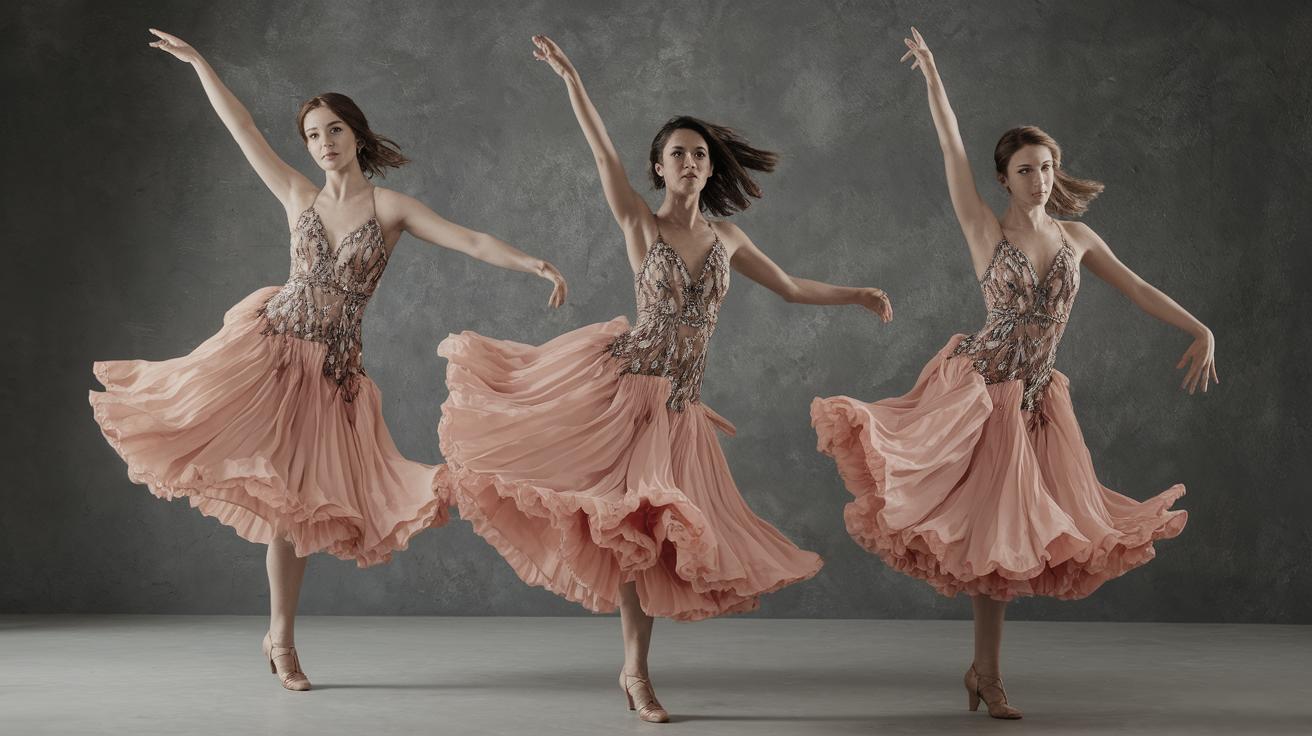
How to Dance: Step by Step Guide
Dancing is more than just moving to music; it’s an expression of art and emotion that can connect people across cultures and generations. Whether you’re looking to impress on the dance floor or simply enjoy a fun new hobby, understanding the steps involved is essential. In this guide, we’ll take you through various dance steps from classic ballroom moves to iconic modern gestures. Starting with foundational steps like the Ball Change and progressing through the impressive Moonwalk and Rond, each section provides detailed instructions to help you learn. Additionally, discover online resources and necessary tips for improving your dance skills. Finally, engage with a supportive community as you share your passion for dance.
Ball Change
The ball change is a foundational dance step used in many dance styles, including tap, jazz, and swing. It involves a simple shift of weight from one foot to the other. To execute a ball change, begin by standing with your feet together and your knees slightly bent. Step back slightly with the ball of one foot, then quickly shift your weight to the other foot. The step is usually performed rapidly and can be used as a transition between other steps.
This move is crucial in establishing a dancer’s rhythm and timing. Beginners are encouraged to practice this step at various speeds to increase coordination. By mastering the ball change, dancers lay a strong groundwork for more complex moves.
Box Step
The box step is a fundamental pattern used in ballroom dancing, notably in the waltz and rumba. This step forms the shape of a box on the floor and is characterized by its smooth, flowing movement. Begin with your feet together. Step forward with your left foot, then side with your right, closing the box with your left foot. Subsequently, step back with your right, continue with your left to the side, and close with your right foot.
The box step’s simplicity makes it an excellent starting point for beginners. It introduces dancers to the element of direction and is perfect for practicing smooth transitions and movements. Through regular practice, dancers will achieve more grace and poise on the dance floor.
Chaîné Turns
Chaîné turns are a basic turn used in ballet and contemporary dance. These are fast turns on alternating feet placed in a straight line or ‘chain’, hence the name. Start in a plie position with feet in parallel. Push off with your back foot to move into the first turn, keeping your body aligned. It’s crucial to spot with your head to maintain direction and speed.
These turns are essential for developing balance and control. It takes practice to execute them swiftly without losing balance. Practicing chaîné turns helps dancers develop a strong center and fluidity in their movements, which is beneficial in various dance styles.
Dos-i-do
Primarily associated with square dance, the Dos-i-do is a charming dance step where partners face each other, pass right shoulders, circle each other back to back, and return to their original position by passing left shoulders. Begin by facing your dance partner. As music prompts, step forward, passing your partner on the right, then make a semicircular turn to the left, before returning to your spot.
The dos-i-do is a sociable dance move that encourages interaction between dancers. It’s integral to the community aspect of dances like square dancing. Practicing this move can improve spatial awareness and partner coordination, making it a delightful and engaging step to learn.
Grapevine
The grapevine is a versatile side-to-side movement that appears in different dance forms, from line dancing to musical theater. To perform the grapevine, step to the side with your leading foot, cross the other foot behind, step to the side again, and then step the foot in front to repeat the pattern. This can be done in both directions.
This step is beneficial for developing coordination and rhythm as it involves crossing feet which challenges balance. The grapevine is a fun way to move across the dance floor and can be enhanced with upper body movements and arm styling to incorporate personal flair.
Heel Turn
Frequently seen in ballroom dancing, especially the foxtrot and tango, the heel turn involves pivoting on the heel of the supporting foot. Initiate the heel turn by stepping forward with your foot, then pivot on your heel, bringing the other foot around to complete the turn. It’s key to maintain an upright posture and keep your movements sharp and precise.
Mastering heel turns is crucial for adding elegance and sophistication to your dance routine. They require control and technique, and with practice, dancers can use heel turns to convey intensity and style in their performances. This move enhances a dancer’s ability to perform precise turns with flair.
Moonwalk
The moonwalk, made famous by Michael Jackson, is one of the most iconic dance moves. It creates the illusion of walking forward while actually sliding backward. Begin with one foot flat and the other on its toes. Slide the flat foot back as the toes foot stays in place. Alternate feet smoothly to continue the illusion.
The moonwalk requires practice to perfect the illusion and smoothness. It’s an impressive trick that demonstrates control and a sense of style. Dancers use this move to captivate audiences, and mastering it adds a powerful dynamic to any performance.
Rond
In ballet, a Rond involves drawing a circular path on the floor with one foot. Starting with your feet in first position, extend one leg and draw a semicircle on the floor, keeping the toes pointed. Bring the leg back to the starting position to complete the circle. This move is performed either on the ground (en dehors) or in the air (en l’air).
Ronds improve a dancer’s grace and flexibility. They are integral to various routines and require focus on control and fluid motion. Practicing this step enhances the aesthetics of your dance lines and movements, making your performance more visually appealing.
Swing
Swing dancing encompasses numerous styles, such as Lindy Hop and East Coast Swing, and involves a lively mix of turns, twists, and jumps. The basic step usually follows a rock step followed by two triple steps, this can be varied with twirls and additional syncopations based on the style.
The swing is exuberant and community-driven, encouraging a joyous expression of music through movement. Dancers are encouraged to experiment with personal styles and rhythms. It’s an excellent step for interacting with partners and creating energetic and memorable performances.
Online Resources
In today’s digital age, learning to dance has never been more accessible, thanks to a plethora of online resources. Websites like YouTube, Udemy, and MasterClass offer tutorials ranging from beginner to advanced levels across numerous styles. These platforms provide detailed visuals, making it easier to grasp complex movements and routines.
For those who prefer structure, online courses provide choreographed lessons with feedback options from seasoned instructors. These resources allow you to learn at your own pace, practice in the comfort of your home, and delve into diverse dance genres. Online communities and forums also offer support and motivation to aspiring dancers globally.
Things to Remember
When learning to dance, patience and practice are your best allies. Progress might be slow at first, but regular practice leads to improvement. Pay attention to your body’s responses and don’t push beyond comfort. Dance is about expression, so let your personal style develop naturally while absorbing new techniques.
Moreover, consistency is essential. Set aside dedicated practice time weekly to build muscle memory. Lastly, enjoy the journey. Dancing is as much about fun and self-discovery as it is about competency. Celebrate your milestones and take pride in the progress you make.
Social Medium
Social media is a fantastic avenue for connecting with fellow dance enthusiasts and sharing your journey. Platforms like Instagram and TikTok allow dancers to showcase their progress, learn from others, and join dance challenges. Engaging with these communities helps you stay inspired and receive constructive feedback.
Facebook groups and dance forums are also beneficial for connecting with local dance classes, workshops, or events. Participating in social activities enhances your skills, boosts confidence, and introduces you to new styles and influences. Sharing the love for dance can inspire others and enrich your own journey.
Final Thoughts
| Dance Step | Description |
|---|---|
| Ball Change | A weight-shift between feet used across various dance styles. |
| Box Step | Foundation of ballroom dances like waltz, forming a box shape. |
| Chaîné Turns | Fast, balanced turns in a straight line often used in ballet. |
| Dos-i-do | Sociable square dance move involving partners crossing paths. |
| Grapevine | Side-to-side cross-step used in line dancing and other forms. |
| Heel Turn | An elegant ballroom pivot turn performed on the heel. |
| Moonwalk | An iconic move creating the illusion of gliding backward. |
| Rond | Ballet move drawing a circular motion with the feet. |
| Swing | Energetic, partnered dance involving dynamic steps and turns. |

