
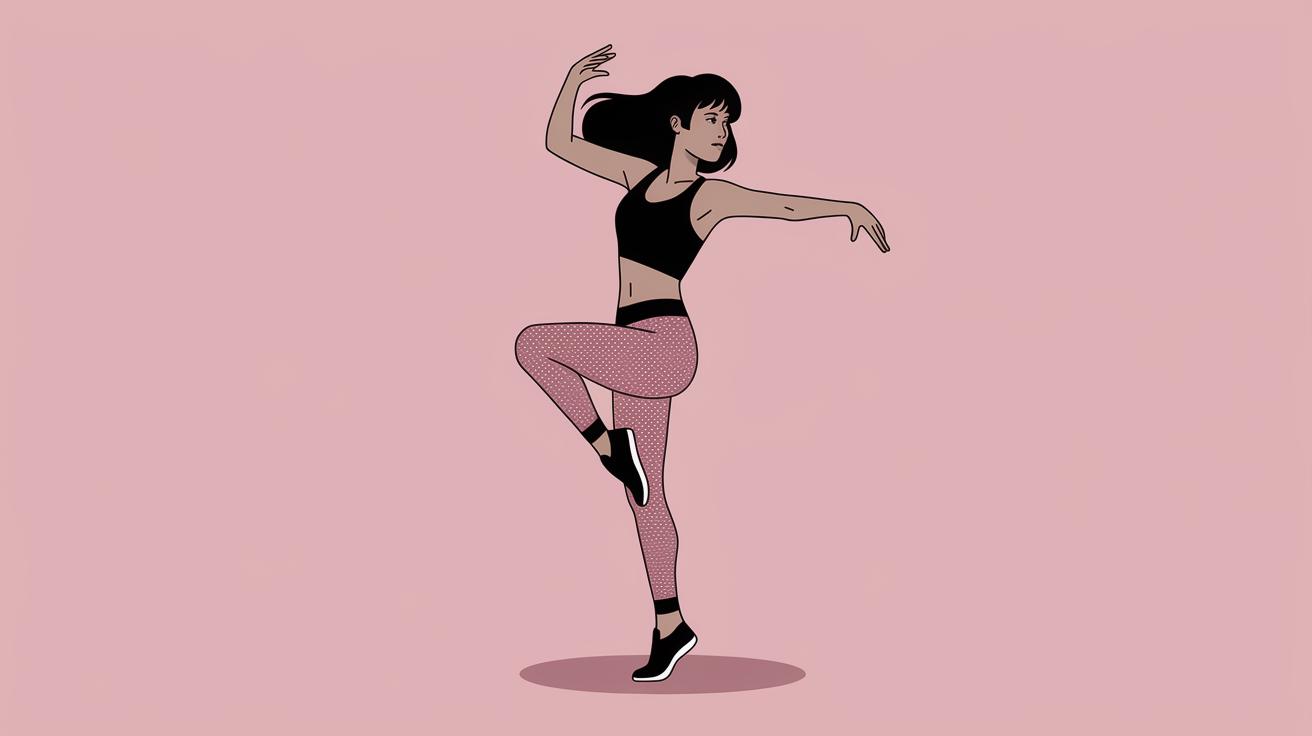
Master these 5 essential dance moves to transform your dancing skills and boost confidence on any dance floor in 2025.
5 Essential Dance Moves Every Beginner Should Master
Learning to dance has never been more accessible or rewarding. These fundamental dance techniques will give you the foundation to excel in any social dancing situation, from weddings to clubs.
1. The Waltz – Classic Ballroom Elegance
What is The Waltz?
The Waltz represents the pinnacle of ballroom dance sophistication, originating in late 18th-century Vienna. This timeless partner dance features graceful, flowing movements performed in distinctive 3/4 time signature.
Professional dance instructors consistently rank the Waltz as the most important foundational ballroom technique. Its emphasis on leading and following creates perfect synchronization between dance partners, making it essential for formal events and competitive ballroom dancing.
Step-by-Step Waltz Technique
Begin in closed dance position with your right hand placed gently on your partner’s shoulder blade. Your left hand should clasp their right hand at shoulder height, maintaining proper frame throughout the movement.
Execute the basic box step pattern: step forward with your left foot (count 1), step sideways with your right foot (count 2), then close your left foot to meet the right (count 3). Practice this three-count rhythm slowly before attempting turns or traveling movements across the dance floor.
Common Waltz Mistakes to Avoid
Many beginners rush the tempo or neglect proper posture. Maintain an upright frame and resist the urge to look down at your feet. Focus on smooth weight transfers and consistent timing to achieve that characteristic floating sensation experienced dancers describe.
2. The Floss – Viral Social Media Dance
What is The Floss?
The Floss became a global dance phenomenon in 2017, popularized by 15-year-old Russell Horning (known as “Backpack Kid”) on Saturday Night Live. This contemporary hip-hop move features contrasting arm and hip movements that create a distinctive “flossing” visual effect.
According to 2024 social media analytics, the Floss remains one of the most searched dance tutorials worldwide, with over 2.3 billion views across platforms. Its appeal spans all age groups, making it perfect for family gatherings and casual social events.
Master the Floss Technique
Position your feet shoulder-width apart with knees slightly bent for stability. Form loose fists with both hands and begin by swinging your hips to the right while simultaneously moving your arms to the left, creating opposing motion.
The key to authentic Floss execution lies in the rapid alternating movement. Swing your hips left while your arms cross behind your back, then immediately reverse the motion. Start slowly and gradually increase speed as muscle memory develops.
Floss Variations and Styling
Advanced dancers incorporate upper body isolation and facial expressions to enhance performance quality. Try adding slight shoulder bounces or varying your arm height to create personal flair while maintaining the core movement pattern.
3. Body Roll – Fluid Contemporary Expression
What is the Body Roll?
The Body Roll represents advanced body control in contemporary and jazz dance styles. This sensual movement technique creates a wave-like motion traveling from head to toe, demonstrating exceptional muscular coordination and flexibility.
Professional choreographers utilize Body Rolls in music videos, stage performances, and competitive dance routines. Mastering this move significantly improves your overall dance fluidity and body awareness across multiple dance genres.
Body Roll Execution Technique
Begin with feet positioned hip-width apart and knees slightly bent. Visualize a wave starting at your neck and traveling down your spine. Initiate the movement by gently lifting your chin, then sequentially engage your chest, ribcage, and hips.
The sequential muscle activation is crucial for smooth execution. Push your chest forward while your head returns to neutral, follow with hip engagement, and complete the wave by slightly bending your knees. Practice in front of a mirror to perfect the continuous flowing motion.
Body Roll Training Progressions
Start with isolated chest pops before attempting full body waves. Strengthen your core muscles through targeted exercises, as abdominal control is essential for clean Body Roll execution. Practice daily for 10-15 minutes to develop the necessary muscle memory.
4. Booty Pop – Hip-Hop Energy Expression
What is the Booty Pop?
The Booty Pop embodies hip-hop culture’s rhythmic expression, emphasizing lower body percussion and musical accents. This high-energy dance move originated in urban dance communities and remains a staple in dancehall, hip-hop, and twerking choreography.
Dance fitness instructors report that Booty Pop variations provide excellent glute strengthening benefits while improving rhythm and coordination. The move’s versatility allows integration into various dance styles and fitness routines.
Proper Booty Pop Technique
Establish a stable base with feet shoulder-width apart and knees bent at approximately 45 degrees. Place hands on hips or extend them for balance. The movement originates from your glutes and lower back, not your knees.
Execute a sharp, controlled thrust by pushing your hips backward and slightly upward. The “pop” effect should be crisp and synchronized with musical beats. Avoid excessive knee movement and focus on isolated hip articulation for maximum impact.
Booty Pop Variations and Combinations
Experiment with directional changes by adding side-to-side pops or circular hip movements. Advanced dancers combine Booty Pops with arm styling, shoulder rolls, or footwork patterns to create dynamic choreographic sequences.
5. The Dougie – Freestyle Hip-Hop Expression
What is The Dougie?
The Dougie gained mainstream recognition through Cali Swag District’s 2010 hit “Teach Me How to Dougie,” but its roots trace back to 1980s Dallas hip-hop culture. Named after rapper Doug E. Fresh, this freestyle-oriented dance emphasizes individual style and creative interpretation.
Unlike structured ballroom dances, the Dougie encourages personal expression and improvisation. This flexibility makes it perfect for social dancing situations where creativity and confidence matter more than technical precision.
Fundamental Dougie Movement
Start with feet slightly apart and knees comfortably bent. The signature move involves lifting one shoulder while simultaneously leaning your upper body in the opposite direction. This contrasting motion creates the Dougie’s characteristic swagger.
Incorporate a smooth zigzag arm weave while maintaining the shoulder-lean rhythm. The key is finding your personal groove within the basic framework. Add head movements, spins, or footwork variations that feel natural to your dancing style.
Developing Your Dougie Style
The best Dougie dancers develop signature variations that reflect their personality. Practice in front of a mirror to discover which movements feel most authentic. Remember, confidence and attitude are more important than perfect technique in freestyle hip-hop dancing.
Essential Dance Training Tips for 2025
Building Muscle Memory Through Repetition
Neuroscience research confirms that consistent daily practice for 15-20 minutes is more effective than longer, infrequent sessions. Break down each move into smaller components and practice them separately before combining into full sequences.
Using Technology to Accelerate Learning
Modern dance apps and video platforms offer slow-motion tutorials and mirror modes that enhance learning efficiency. Record yourself practicing to identify areas for improvement and track your progress over time.
Cross-Training for Dance Excellence
Supplement dance practice with flexibility training, cardio conditioning, and strength exercises. Yoga improves balance and body awareness, while resistance training builds the muscular endurance needed for extended dancing sessions.
Study BTEC Dance Level 3 at BCE
For those eager to delve deeper into the world of dance, the BTEC Dance Level 3 course at BCE offers a comprehensive and transformative educational experience. This program is designed for aspiring dancers who wish to refine their skills and gain a deep understanding of various dance styles and techniques.
Throughout the course, students will engage in intensive training, creative choreography, and performance opportunities that nurture creativity and technical proficiency. The curriculum covers a wide range of genres, promoting versatility and adaptability in any dance environment.
Beyond mastering movements, students will learn about the theoretical and historical aspects of dance, preparing them for potential careers in teaching, choreography, or performance arts. Enrolling in this course is the perfect step for those passionate about pursuing dance as a lifelong journey, equipped with knowledge, discipline, and inspiration.
Frequently Asked Questions About Learning Dance Moves
How Long Does It Take to Master These Dance Moves?
Most beginners can learn basic versions of these moves within 2-4 weeks of consistent practice. However, developing smooth execution and personal style typically requires 2-3 months of regular training. Advanced variations and seamless transitions may take 6 months or more to perfect.
What’s the Best Way to Practice Dance Moves at Home?
Create a dedicated practice space with adequate room for movement and good lighting. Use a full-length mirror to monitor your form and technique. Start with 15-minute sessions and gradually increase duration as your stamina improves.
Can I Learn These Moves Without a Dance Partner?
Four of these five moves can be learned solo, with only the Waltz requiring a partner. Focus on mastering individual techniques first, then seek practice partners through local dance classes, social media groups, or community centers.
Building Confidence Through Dance Mastery
Overcoming Dance Anxiety
Many beginners experience performance anxiety when learning new dance moves. Start by practicing alone, then gradually introduce friends or family members as your audience. Remember that everyone starts as a beginner, and improvement comes through consistent effort.
Developing Your Personal Dance Style
While learning fundamental techniques is important, developing personal flair sets great dancers apart. Experiment with different musical genres, observe professional dancers, and incorporate movements that feel natural to your body type and personality.
Dance Move Mastery Summary
| Dance Move | Difficulty Level | Key Technique | Practice Time | Best Music Genre |
|---|---|---|---|---|
| The Waltz | Intermediate | 3-count rhythm with partner connection | 4-6 weeks | Classical, ballroom standards |
| The Floss | Beginner | Opposing arm and hip movements | 1-2 weeks | Pop, electronic dance music |
| Body Roll | Advanced | Sequential muscle wave motion | 6-8 weeks | R&B, contemporary, jazz |
| Booty Pop | Beginner-Intermediate | Sharp hip thrusts with rhythm | 2-3 weeks | Hip-hop, dancehall, reggaeton |
| The Dougie | Intermediate | Shoulder drops with personal style | 3-4 weeks | Hip-hop, rap, urban contemporary |
Next Steps in Your Dance Journey
Mastering these five essential dance moves provides an excellent foundation for exploring more advanced techniques and styles. Consider joining local dance classes, attending social dance events, or exploring online communities to continue developing your skills and connecting with fellow dancers.
Remember that dance is ultimately about self-expression and enjoyment. Focus on having fun while learning, and don’t be afraid to make mistakes – they’re an essential part of the learning process. With consistent practice and patience, you’ll soon be dancing with confidence and style.

