Dancing transforms lives through movement, rhythm, and self-expression. Master fundamental techniques, explore diverse styles, and build confidence with proven beginner strategies.
Essential Dance Fundamentals for New Dancers
Every successful dancer begins with proper posture and alignment. Stand tall with shoulders relaxed, core engaged, and weight evenly distributed across both feet. This foundation prevents injury and creates the stability needed for all movement patterns.
Rhythm and timing form the heartbeat of dance. Start by clapping along to different musical genres, identifying beats per minute, and feeling how your body naturally responds to various tempos. Practice counting music in sets of eight, the standard structure used in most dance choreography.
Breathing techniques directly impact your dance performance. Controlled breathing maintains stamina during extended routines while helping you stay relaxed and focused. Inhale during preparation movements and exhale during dynamic actions or jumps.
Basic Movement Vocabulary
Master these fundamental movements that appear across multiple dance styles:
| Movement Type | Description | Practice Tips |
|---|---|---|
| Plié | Bending knees while maintaining straight spine | Practice daily for 5-10 minutes to build leg strength |
| Relevé | Rising onto balls of feet | Hold for 10 seconds, repeat 15 times |
| Chassé | Sliding step where one foot chases the other | Start slowly, focus on smooth weight transfer |
| Pivot Turn | Turning on one foot while other foot steps around | Use a fixed point for spotting to prevent dizziness |
Choosing Your First Dance Style
Ballet provides the strongest technical foundation for beginners. This classical form develops flexibility, strength, and precise body control that benefits all other dance styles. Adult beginner classes focus on basic positions, simple combinations, and gradual skill building.
Contemporary dance emphasizes emotional expression and fluid movement. It combines ballet technique with modern dance freedom, making it ideal for dancers who want to explore personal storytelling through movement. Expect floor work, improvisation, and creative exploration.
Hip-hop dance offers high-energy movement rooted in street culture and popular music. Beginners learn foundational moves like the two-step, body rolls, and isolation techniques. This style builds confidence through its emphasis on personal style and individual expression.
Latin Dance Styles for Social Dancing
Salsa, bachata, and merengue create excellent entry points into partner dancing. These Latin styles emphasize connection, musicality, and cultural appreciation. Most cities offer beginner-friendly social dance events where new dancers can practice in supportive environments.
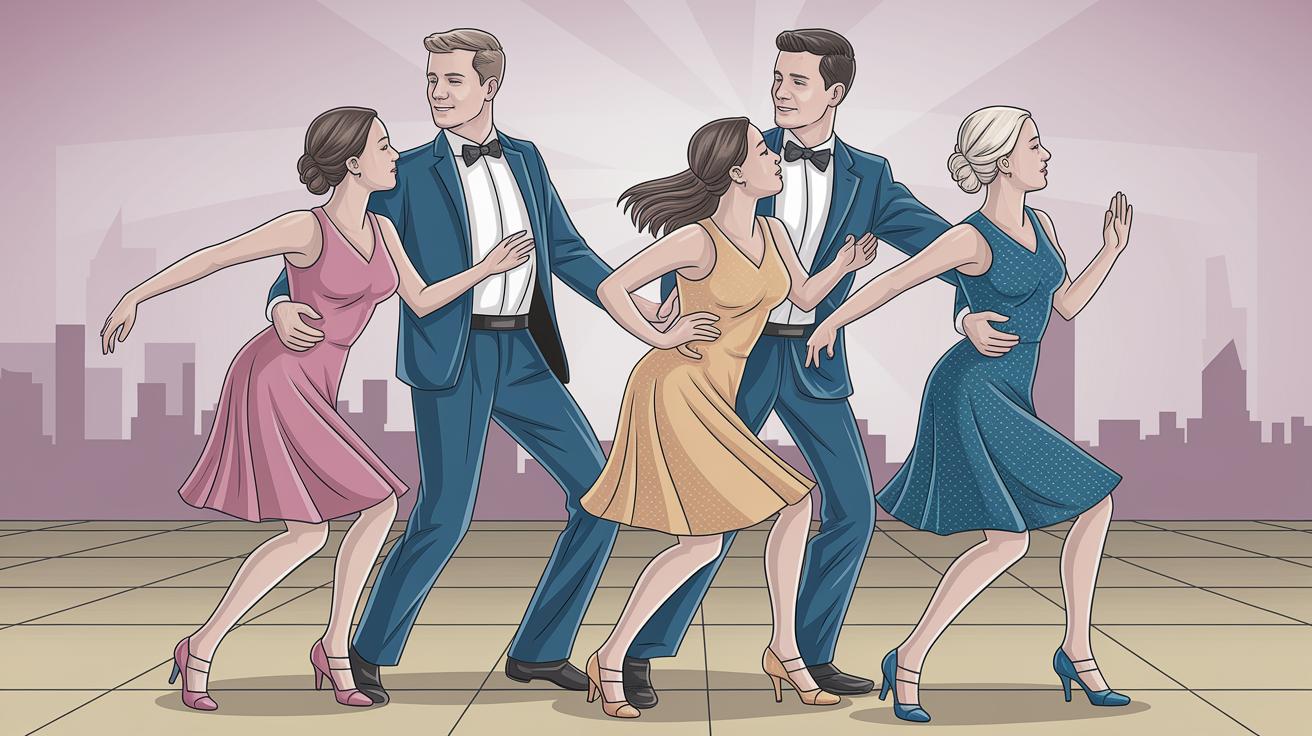
Partner dancing develops lead and follow techniques, spatial awareness, and social confidence. Start with basic steps and timing before progressing to turns and more complex patterns. Remember that both partners share responsibility for successful dancing.
Setting Up Your Practice Space
Create a dedicated practice area with at least 6×6 feet of clear floor space. Proper flooring prevents injuries – avoid concrete or carpet. Hardwood, laminate, or specialized dance flooring provide ideal surfaces for safe movement.
Install a full-length mirror to monitor your form and alignment. Visual feedback accelerates learning by helping you identify and correct technical issues independently. Position the mirror where you can see your entire body during movement.
Invest in quality sound equipment for clear music playback. Bluetooth speakers with good bass response help you feel the rhythm more effectively. Create playlists with various tempos and genres to support different types of practice sessions.
Essential Equipment for Home Practice
Comfortable, flexible clothing allows unrestricted movement. Avoid baggy clothes that obscure your lines or restrict motion. Proper footwear varies by style – ballet slippers for ballet, sneakers for hip-hop, or dance sneakers for versatility.
A yoga mat provides cushioning for floor work and stretching. Resistance bands support strength training specific to dance movements. Keep a water bottle nearby to maintain hydration during practice sessions.
Importance of Well-Rounded Dance Education
A well-rounded dance education is crucial for anyone serious about mastering the art of dance. It not only refines technique but also nurtures creativity and broadens a dancer’s understanding of different styles. Engaging with diverse genres such as ballet, contemporary, jazz, or hip-hop empowers dancers to develop unique skills that can be seamlessly integrated into their performances.
Dance education encompasses much more than just learning steps and choreography. It’s about developing an innate sense of rhythm, improving musicality, and learning how to convey emotion through movement. Educators who emphasize this holistic approach cultivate dancers who are not only technically skilled but also artistically profound.
Moreover, a diverse dance education encourages lifelong learning and adaptability. As trends and genres evolve, dancers with a well-rounded background can seamlessly transition and remain relevant in the dynamic world of dance. This versatility is invaluable, ensuring dancers can continue to evolve both as artists and performers.
Building Strength and Flexibility for Dance
Core strength forms the powerhouse of all dance movement. Incorporate planks, Pilates exercises, and dance-specific conditioning into your routine. A strong core improves balance, supports proper alignment, and enables more dynamic movement quality.
Flexibility training should target major muscle groups used in dance. Focus on hip flexors, hamstrings, calves, and shoulders through daily stretching routines. Dynamic stretching before dancing prepares muscles for movement, while static stretching afterward aids recovery.
Cardiovascular fitness supports stamina during longer dance sessions. Dancing itself provides excellent cardio, but supplementing with swimming, cycling, or running enhances overall endurance and performance capacity.
Injury Prevention Strategies
Proper warm-up routines reduce injury risk significantly. Spend 10-15 minutes gradually increasing your heart rate and preparing joints for movement. Include gentle movements that mirror the dance style you’ll be practicing.
Progressive skill building prevents overuse injuries common in eager beginners. Master basic movements before attempting advanced techniques. Listen to your body and rest when experiencing pain or excessive fatigue.
Learning Resources and Class Options
In-person classes provide immediate feedback, social interaction, and structured progression. Research local dance studios, community centers, and colleges offering beginner programs. Many studios offer trial classes or beginner packages at reduced rates.
Online dance tutorials offer flexibility and cost-effective learning options. Platforms like YouTube, CLI Studios, and Steezy Studio provide high-quality instruction from professional dancers. Combine online learning with occasional in-person classes for optimal results.
Private lessons accelerate learning through personalized attention and customized instruction. Consider occasional private sessions to address specific challenges or prepare for performances, auditions, or special events.
Building Your Dance Community
Join local dance groups, attend workshops, and participate in dance events to build connections. Dance communities provide support, motivation, and opportunities for growth. Many lifelong friendships form through shared dance experiences.
Social media groups and forums connect dancers worldwide. Share progress videos, ask questions, and celebrate achievements with fellow dancers. Online communities offer encouragement during challenging learning periods.
Overcoming Common Beginner Challenges
Self-consciousness affects most new dancers but diminishes with practice and experience. Remember that everyone starts as a beginner, and fellow dancers typically offer support rather than judgment. Focus on personal progress rather than comparing yourself to others.
Coordination difficulties are normal when learning complex movement patterns. Break choreography into smaller sections, practice slowly, and gradually increase tempo. Muscle memory develops through repetition and consistent practice.
Rhythm challenges can be addressed through dedicated musicality training. Practice clapping to different beats, use metronome apps, and dance to various musical genres. Some dancers benefit from counting aloud while learning new combinations.
Setting Realistic Goals and Expectations
Establish both short-term and long-term dance goals. Short-term goals might include mastering a specific combination or improving flexibility. Long-term goals could involve performing in a recital or learning multiple dance styles.
Progress occurs at different rates for different individuals. Factors like previous athletic experience, natural coordination, and practice frequency all influence learning speed. Celebrate small victories and maintain patience with the learning process.
Performance Opportunities for Beginners
Student showcases and recitals provide low-pressure performance experiences. Most dance studios organize regular events where students can share their progress with family and friends. These experiences build confidence and stage presence.
Community events often welcome amateur dancers for cultural celebrations, charity fundraisers, and local festivals. Participating in community performances connects you with your local arts scene while gaining valuable stage experience.
Flash mobs and group dances offer fun, collaborative performance opportunities. Many cities organize public dance events that welcome participants of all skill levels. These experiences emphasize enjoyment over perfection.
Final Thoughts: Summary of Key Points
| Key Aspect | Description |
|---|---|
| Importance of Well-Rounded Dance Education | Develops technical skill, fosters creativity, and broadens understanding of various dance styles and their cultural contexts. |
| Emotional Expression | Teaches how to convey emotions through movement, enhancing performances and engaging audiences. |
| Lifelong Learning | Encourages adaptation to new trends and continuous growth as both artists and performers. |
| Foundation Building | Proper posture, rhythm, and basic movements create the groundwork for all dance styles. |
| Community Connection | Dance communities provide support, motivation, and opportunities for artistic growth. |
| Progressive Development | Gradual skill building prevents injury while ensuring steady improvement and confidence. |
Beginning your dance journey requires patience, dedication, and joy in the learning process. Consistent practice, proper instruction, and supportive community connections will guide you toward becoming the dancer you aspire to be. Remember that every professional dancer once took their first tentative steps – embrace the journey and celebrate your unique artistic expression.