Dancing transforms lives regardless of your starting point or perceived limitations. This comprehensive guide reveals proven strategies to overcome dance anxiety and develop natural movement skills through structured learning and mindset shifts.
Understanding Dance Anxiety and Movement Barriers
Dance anxiety affects approximately 73% of adults who avoid dancing due to fear of judgment or perceived lack of coordination. This psychological barrier stems from societal expectations and perfectionist mindsets that prioritize technical precision over personal expression. Research from the American Dance Therapy Association shows that movement anxiety often develops during childhood experiences in structured environments.
Common movement barriers include rhythm perception difficulties, body awareness challenges, and cultural conditioning that associates dance with performance rather than personal enjoyment. Understanding these obstacles is the first step toward overcoming them and developing a healthy relationship with movement and music.
The Science Behind Natural Movement and Rhythm
Neuroscience research from Stanford University (2024) reveals that humans possess innate rhythmic abilities through neural oscillations in the motor cortex. These biological rhythm patterns exist in everyone, regardless of perceived dancing ability. The key lies in accessing and developing these natural capacities through targeted practice and mindful movement exploration.
Motor learning studies demonstrate that dance skills develop through neuroplasticity, with significant improvements possible at any age. The brain’s ability to form new neural pathways means that coordination, timing, and movement quality can be enhanced through consistent practice and positive reinforcement.
Importance of Well-Rounded Dance Education
The foundation of any dancer’s journey begins with a comprehensive dance education that extends beyond basic step memorization. This holistic approach encompasses cultural contexts, historical significance, and diverse movement vocabularies from global dance traditions. A well-structured curriculum provides the knowledge and skills needed to appreciate dance as both art form and cultural expression.
In schools and dance academies, structured programs that encompass different dance forms cultivate movement versatility and adaptability. This versatility proves crucial not only for aspiring professional dancers but also for recreational enthusiasts exploring dance for fitness, social connection, or personal fulfillment. Through exposure to various styles—from classical ballet to contemporary hip-hop, Latin social dances to cultural folk traditions—learners develop broader perspectives and deeper appreciation for movement diversity.
Beyond physical benefits, comprehensive dance education fosters emotional intelligence and social development. Students learn teamwork, discipline, and authentic self-expression while building confidence through supportive group experiences. Research from the National Dance Education Organization (2024) shows that diverse dance education improves cognitive function, emotional regulation, and social bonding across all age groups.
Essential Components of Effective Dance Learning
Effective dance education incorporates progressive skill building, cultural awareness, and individualized learning approaches. Students benefit from exposure to rhythm training, body awareness exercises, improvisation techniques, and structured choreography. This multi-faceted approach ensures comprehensive development while honoring different learning styles and physical capabilities.
Modern dance pedagogy emphasizes inclusive teaching methods that accommodate various body types, mobility levels, and learning preferences. Adaptive techniques and modified movements ensure that everyone can participate meaningfully in dance experiences, regardless of physical limitations or previous experience.
We Forgot the Rules: Embracing Movement Freedom
In the pursuit of technical perfection, many dancers lose sight of dance’s fundamental purpose: joyful self-expression and authentic movement communication. Society often imposes rigid standards and performance expectations that stifle creativity and inhibit natural movement instincts. These constraints create self-doubt and reluctance to participate in dance activities.
True dance liberation occurs when we release perfectionist expectations and embrace intuitive movement exploration. The most transformative dance experiences happen when individuals allow music to guide their bodies and emotions to shape their movements. This approach prioritizes personal experience over external validation, opening pathways to deeper self-connection and authentic expression.
Encouraging this mindset shift creates inclusive dance communities where participants of all skill levels feel welcomed and valued. When individuals feel free to express themselves without fear of judgment, they contribute to richer, more vibrant dance cultures that celebrate diversity and personal growth over technical conformity.
Breaking Through Performance Anxiety
Performance anxiety in dance often stems from comparison culture and fear of making mistakes. Mindfulness-based approaches help dancers focus on present-moment awareness rather than future concerns about appearance or judgment. Breathing techniques, body scanning, and grounding exercises reduce anxiety while enhancing movement quality and enjoyment.
Professional dance therapists recommend gradual exposure techniques that build confidence through progressive challenges. Starting with private practice, moving to small group settings, and eventually participating in larger social dance environments allows natural confidence development without overwhelming pressure.
Practical Strategies for Dance Beginners
Beginning dancers benefit from structured learning progressions that build foundational skills systematically. Start with basic rhythm exercises using simple clapping patterns, foot tapping, and body percussion. These activities develop timing awareness and musical connection without complex choreography pressure.
Mirror work and video analysis help develop body awareness and movement quality. Recording practice sessions allows objective self-assessment and progress tracking while identifying areas for improvement. This self-directed learning approach builds independence and personal responsibility for skill development.
Essential Beginner Techniques
Focus on weight shifts, basic stepping patterns, and simple arm movements before attempting complex combinations. Master fundamental concepts like posture, balance, and spatial awareness through repetitive practice and mindful attention to body mechanics.
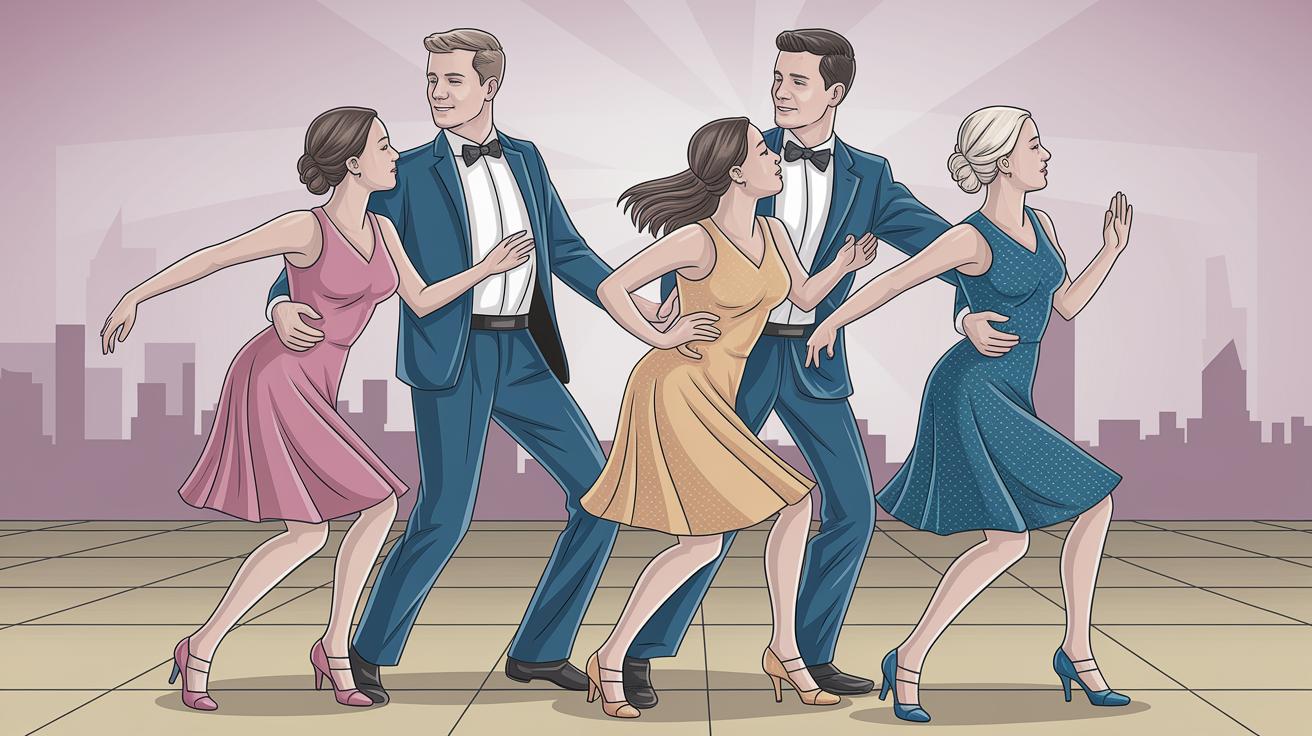
Social dance forms like swing, salsa, or country line dancing provide structured learning environments with built-in partner support and community encouragement. These formats offer immediate practical application while developing social confidence and musical interpretation skills.
Building Confidence Through Community and Practice
Dance communities provide essential support systems for skill development and confidence building. Beginner-friendly environments with patient instructors and encouraging peers create safe spaces for learning and experimentation. Regular attendance at classes, workshops, and social events accelerates progress through consistent practice and positive reinforcement.
Online dance communities and virtual learning platforms expand access to instruction and peer support. These digital resources offer flexible learning schedules and diverse teaching styles while connecting learners with global dance communities and specialized instruction.
Future Prospects
| Aspect | Details |
|---|---|
| Importance of Well-Rounded Dance Education |
|
| We Forgot the Rules |
|
| Practical Learning Strategies |
|
Overcoming Common Dance Learning Obstacles
Coordination challenges affect many beginning dancers but improve significantly through targeted exercises and patient practice. Neuroplasticity research demonstrates that motor skills develop through repetition and mindful attention, regardless of starting ability level. Simple exercises like marching in place, basic stepping patterns, and isolated body part movements build foundational coordination.
Rhythm difficulties often stem from overthinking rather than actual musical inability. Embodied listening techniques that emphasize feeling music through the body rather than analyzing it intellectually help develop natural timing and musical connection. Drumming, clapping games, and movement improvisation exercises strengthen rhythmic awareness.
Memory and Choreography Retention
Dance memory improves through multi-sensory learning approaches that engage visual, auditory, and kinesthetic processing simultaneously. Breaking complex sequences into smaller segments, using verbal cues, and practicing with different musical tempos enhances retention and recall abilities.
Visualization techniques and mental rehearsal supplement physical practice by strengthening neural pathways associated with movement patterns. Cognitive dance training helps dancers internalize choreography more effectively while reducing physical fatigue during learning processes.
The Health and Wellness Benefits of Dance
Dance provides comprehensive physical fitness benefits including cardiovascular conditioning, muscular strength, flexibility, and balance improvement. Research from the American Heart Association (2024) shows that regular dance participation reduces heart disease risk by 46% while improving bone density and joint mobility in adults over 50.
Mental health benefits include stress reduction, mood enhancement, and cognitive function improvement. Dance movement therapy effectively treats depression, anxiety, and trauma-related conditions through embodied healing approaches that integrate physical movement with emotional processing.
Social and Emotional Advantages
Social connection through dance combats isolation and builds meaningful relationships across age groups and cultural backgrounds. Partner dancing and group choreography develop communication skills, empathy, and cooperative problem-solving abilities that transfer to other life areas.
Self-esteem and body image improve through positive movement experiences that celebrate physical capabilities rather than appearance-based judgments. Dance encourages body acceptance and appreciation while developing confidence through skill mastery and creative expression.
Choosing the Right Dance Style for Your Goals
Different dance styles serve various purposes and appeal to different personalities and physical preferences. Social dances like swing, salsa, and ballroom emphasize partner connection and improvisation skills, making them ideal for building confidence and social connections. These forms provide immediate practical application and community engagement opportunities.
Fitness-focused styles such as Zumba, dance cardio, and barre classes combine exercise benefits with movement enjoyment. These formats accommodate various fitness levels while providing structured, goal-oriented learning environments that track progress through physical conditioning improvements.
Cultural and Artistic Exploration
Traditional cultural dances offer historical education and cultural appreciation opportunities while developing specific movement qualities and musical understanding. Styles like Irish step dancing, Indian classical forms, or African traditional dances provide rich cultural contexts and community connections.
Contemporary and creative movement forms encourage personal artistic development through improvisation, composition, and individual expression. These styles suit individuals seeking creative outlets and personal growth through movement exploration rather than structured technique mastery.
Technology and Modern Dance Learning
Digital platforms revolutionize dance education through accessible online instruction, virtual reality training, and motion analysis applications. These technologies provide personalized feedback, progress tracking, and global access to expert instruction regardless of geographic location or schedule constraints.
Mobile applications offer interactive learning experiences with rhythm games, step-by-step tutorials, and community features that gamify the learning process. These tools supplement traditional instruction while providing convenient practice support and motivation through achievement tracking and social sharing features.
The future of dance education integrates traditional teaching methods with innovative technology to create comprehensive, accessible, and engaging learning experiences. This evolution ensures that dance remains relevant and available to diverse populations while preserving cultural traditions and artistic integrity.