
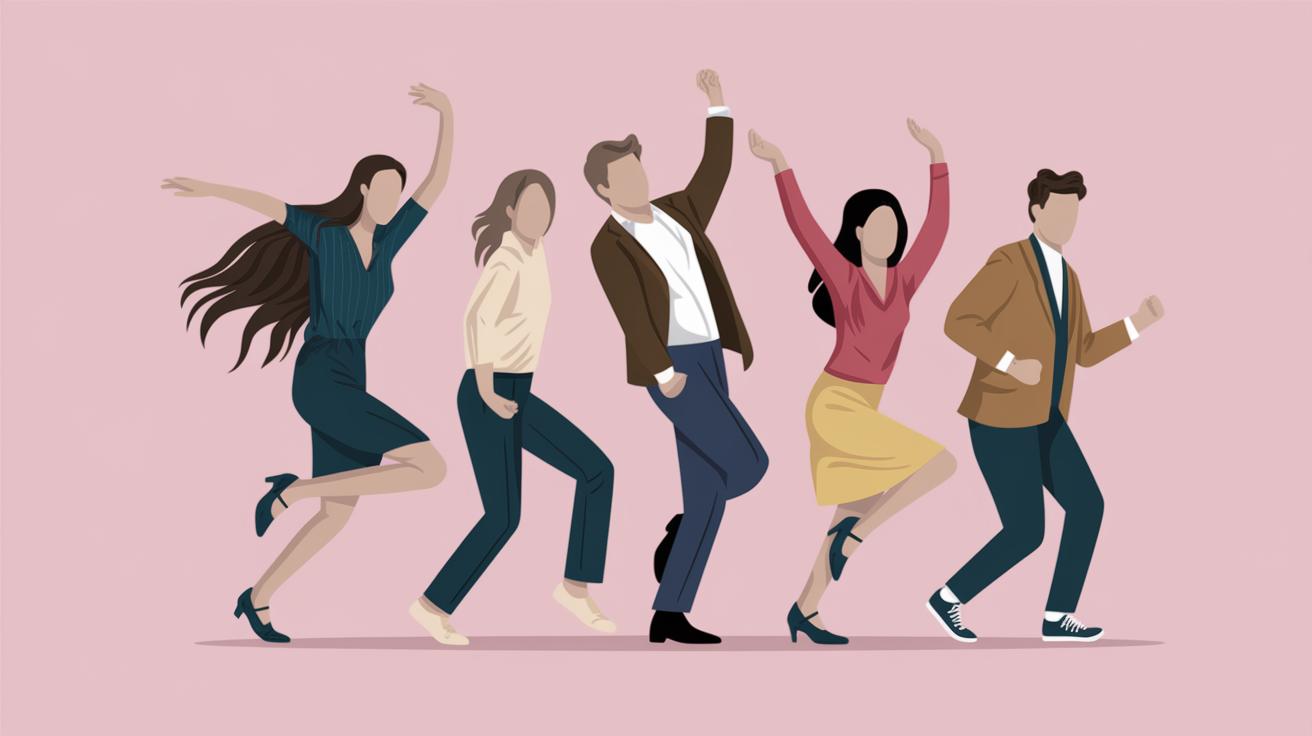
How Can You Dance: A Journey Through Movement
Dancing is more than a series of steps; it’s an expression of emotion, creativity, and culture. Whether you’re an aspiring ballerina, a hip-hop enthusiast, or simply seeking to enjoy the rhythm of life, understanding how to dance can elevate your appreciation for movement and enhance your social interactions. This blog post will explore the importance of a well-rounded dance education, emphasizing foundational skills, different styles, the impact of dance on physical and mental health, and practical tips for incorporating dance into daily life. Engage with this guide, and you might just find yourself inspired to embrace dance in its many beautiful forms.
Importance of Well-Rounded Dance Education
A well-rounded dance education is essential for aspiring dancers and enthusiasts alike. It provides a foundation in technique, encouraging students to understand the mechanics of movement. By learning the basics, such as balance, coordination, and timing, dancers build a strong physical and mental framework that supports more advanced skills. These building blocks are crucial, as a solid foundation prevents injury and promotes longevity in the dance world.
Beyond the technical aspects, a comprehensive dance education immerses students in the history and cultural significance of various dance styles. Understanding the roots of a dance form enriches the practice and performance, allowing dancers to convey authentic stories through their movements. This historical and cultural knowledge also fosters an appreciation for diversity, as dancers encounter a spectrum of styles from different cultures and eras.
Furthermore, a well-rounded education nurtures creative expression. Dance is an art form that transcends language, offering a canvas for personal and emotional exploration. By exposing learners to a variety of styles and techniques, they are empowered to discover their unique voice within the dance community. This creative development not only enhances their performance but also contributes to their overall growth as artists.
Building Fundamental Dance Skills
To truly excel in dance, mastering the core skills is imperative. Balance is one such skill that serves as the foundation for virtually every dance move. A dancer’s ability to maintain stability while transitioning between movements is crucial, as it ensures grace and precision. Practicing exercises that enhance core strength and flexibility can significantly improve one’s balance.
Coordination is another critical skill that dancers must develop. Whether tapping in time with the music or executing complex footwork, coordination allows for synchronized movement. Practicing combinations that challenge the mind and body helps to refine coordination, ultimately leading to more fluid and seamless performances.
Timing is the final piece of the puzzle. Understanding musical rhythms and tempos enables dancers to move in harmony with the music, creating a connection between sound and movement. By training with a metronome or learning to identify beats, dancers can enhance their timing and bring their performances to life through rhythmic precision.
Exploring Different Dance Styles
Once a dancer has established strong fundamentals, exploring diverse dance styles becomes a thrilling adventure. Ballet is often considered the cornerstone of dance education, emphasizing elegance, discipline, and precision. Its principles form the basis for many other dance forms, making it an excellent choice for anyone looking to deepen their understanding of technique and grace.
Hip-hop, on the other hand, offers an energetic and expressive alternative. Originating from the streets, hip-hop embraces individuality and improvisation, encouraging dancers to infuse their personality into each movement. This style thrives on creativity and is an excellent outlet for those seeking a more freestyle approach to dance.
Tap dance is another exciting genre that combines rhythm and movement, essentially turning dancers into musicians. Through intricate footwork and percussive sound, tap dance challenges both technical skill and musicality. Exploring these various styles not only broadens a dancer’s repertoire but also provides a deeper appreciation for the art form’s rich diversity.
The Impact of Dance on Physical and Mental Health
Dance offers numerous physical health benefits that contribute to overall well-being. It is a full-body workout, improving cardiovascular health, strength, and flexibility. Regular dance practice helps maintain a healthy weight, enhances muscle tone, and increases endurance, making it an enjoyable way to stay fit.
Beyond the physical aspects, dance plays a significant role in mental health. It is known to reduce stress and anxiety, providing an outlet for emotional release. The act of dancing stimulates the production of endorphins, the body’s natural mood elevators, creating a sense of joy and relaxation.
Additionally, dance fosters social connections, which are vital for mental well-being. Participating in dance classes or community events allows individuals to interact with others, build friendships, and experience a sense of belonging. This social component enhances the positive impact of dance on one’s mental health, promoting a happier and more balanced life.
Practical Tips for Incorporating Dance into Daily Life
For those looking to embrace dance in their daily routine, finding small ways to incorporate movement can be highly beneficial. Start by setting aside a few minutes each day to dance at home. Whether following along with a favorite dance video or simply moving to music, this daily practice can boost mood and energy levels.
Joining a local dance class or group is another excellent way to integrate dance into life. Many studios offer classes for all skill levels, providing a supportive environment to learn and grow alongside others. These classes offer the structure needed for accountability, ensuring regular practice and steady improvement.
Lastly, don’t be afraid to experiment and find the style that resonates most with you. Dance should be a joyful expression, and trying different styles can lead to discovering a passion you never knew existed. By keeping an open mind and embracing the journey, anyone can find fulfillment through dance.
Lessons Learned
| Aspect | Key Takeaways |
|---|---|
| Well-Rounded Dance Education | Provides a technical foundation, cultural understanding, and nurtures creative expression. |
| Fundamental Dance Skills | Balance, coordination, and timing are crucial for proficiency in any dance form. |
| Exploring Different Styles | Key to understanding and enjoying the diversity within the dance community. |
| Impact on Health | Dance positively influences physical health, mental well-being, and social bonds. |
| Incorporating Dance Daily | Try integrating dance into everyday life for enjoyment and personal growth. |

