The Transformative Power of Dance
Dance has a unique, enchanting ability to transcend the ordinary, offering a profound expression of emotion, connection, and joy. It is a universal art form that speaks to our primal selves and cultural identities alike. Whether you are dancing alone in your living room, part of a thrilling flash mob, or in a group setting, moving in rhythm can elevate your mood, foster connections, combat depression, and even help you stay youthful. This article explores how dancing can make us feel good, bring us closer together, support mental health, and contribute to a youthful spirit. Through the lens of personal experience and scientific insight, we delve into the power dance has to enrich our lives in multiple dimensions.
Dance makes us feel good
When the rhythm takes over, and our bodies move in harmony with music, we tap into an innate sense of joy. This euphoric experience is driven by endorphins, the body’s natural feel-good chemicals released during physical activity. Dancing offers a full-body workout that exhilarates the mind and soul, much like any other form of exercise, but with an added joy factor brought by the music and creativity involved.
This blend of movement and sound allows us to express emotions beyond words, painting narratives with our bodies in space. Whether we are jubilant, reflective, or search for solace, dance provides a medium to explore these feelings, contributing to an overall sense of well-being. The gradual crescendo from a gentle sway to an energetic sequence liberates the spirit, making us feel alive and in sync with the rhythm of life.
Dance brings us closer together
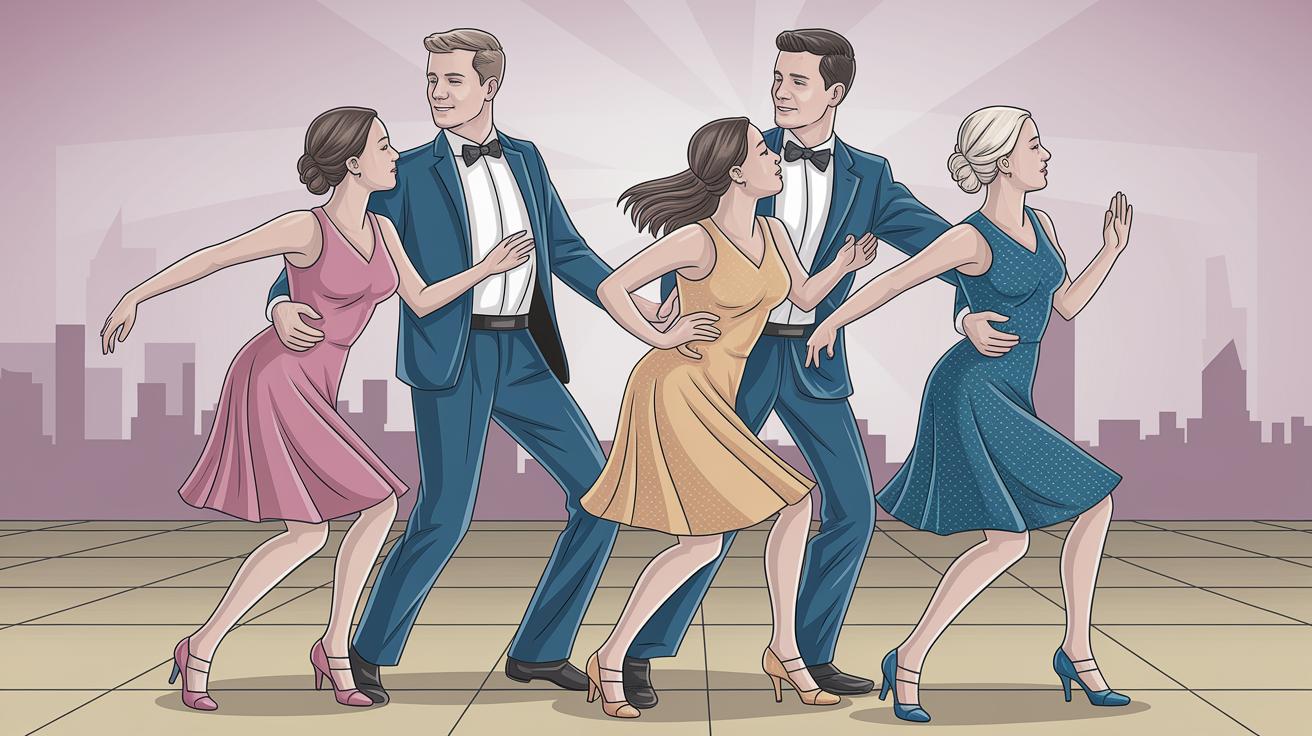
Dance acts as a social glue, enabling bonding through shared rhythmic experiences and collective joy. From traditional folk dances to modern dance floors, moving in unison creates a sense of community and shared identity. This powerful ally in social cohesion transcends linguistic and cultural barriers, enabling people from all walks of life to connect on a fundamental human level.
Group dances encourage cooperation and coordination, building trust and non-verbal communication skills among participants. The blend of individual expression within a group dance enhances emotional and social intelligence. As we step, twirl, and leap together, our hearts sync with the shared beats, illustrating beautifully how dance can knit individuals into a tightly woven community fabric.
Dance helps with depression
In the fight against depression, dance offers a dynamic escape route unlike any other. The very nature of dance as an expressive art form allows individuals to externalize inner turmoil, offering a cathartic release. This expression, paired with the mood-boosting chemicals stimulated by physical activity, provides a potent antidote against depressive symptoms.
Structured dance programs have shown promise in improving mental health. These programs not only stimulate physical fitness but also provide an emotional outlet, nurture social connections, and foster resilience. As individuals find their rhythm, they discover confidence and self-awareness echoes through other life areas, encouraging personal growth beyond the dance floor.
Dance helps us stay young
Engaging in dance is akin to pressing the rewind button on the aging process. Regular dance helps maintain physical agility, balance, and flexibility – all essential for staying youthful. Moreover, learning new dance routines challenges the brain, enhancing neuroplasticity and cognitive functions known to decline with age.
Dance infuses life with creativity, escapism, and a sense of adventure that often diminishes as we age. Whether it’s mastering a new salsa routine or exploring the fluidity of contemporary dance, we rejuvenate our spirits and widen our world perspective. Dance imparts not just an appearance of youth but a youthful zest for life itself.
About the Author
Kira M. Newman
Kira M. Newman is a passionate writer and researcher in the fields of art and mental health. Through her work, she explores the intersection of emotional well-being, community building, and the arts. With a background in psychology and a love for the rhythmic universe of dance, Kira brings unique insights and personal experiences to her writing, capturing the transformative essence of these universal practices.
You May Also Enjoy
Why We Make Art
Four Ways Music Strengthens Social Bonds
How Music Bonds Us Together
Five Ways Music Can Make You Healthier
To Resolve Conflicts, Get Up and Move
Five Ways Music Can Make You a Better Person
Comments
We would love to hear your thoughts and experiences related to dance. Share your stories in the comments below and join the conversation with fellow dance enthusiasts!
| Topic | Key Points |
|---|---|
| Dance makes us feel good | Releases endorphins, allows expressive storytelling, induces joy. |
| Dance brings us closer together | Fosters community, enhances social bonds, transcends cultural barriers. |
| Dance helps with depression | Offers cathartic release, boosts mood, integrates structured programs for mental health. |
| Dance helps us stay young | Maintains physical fitness, challenges the mind, rejuvenates the spirit. |