Dancing transforms lives through movement, rhythm, and artistic expression. This comprehensive guide provides essential foundations for beginning your dance journey in 2025.
Understanding Dance Fundamentals for New Dancers
Dance represents one of humanity’s oldest forms of creative expression, combining physical movement with musical interpretation and emotional storytelling. For beginners entering the dance world in 2025, understanding these fundamentals creates the foundation for lifelong artistic growth.
Modern dance education emphasizes holistic development, integrating physical conditioning, mental focus, and creative exploration. Research from the National Dance Education Organization shows that students who begin with comprehensive fundamentals demonstrate 40% faster skill acquisition compared to those focusing on single techniques.
Physical Benefits of Dance Training
Regular dance practice delivers measurable health improvements including enhanced cardiovascular endurance, increased flexibility, and improved balance coordination. Studies from Harvard Medical School (2024) indicate that dance training reduces fall risk by 37% while boosting cognitive function through complex movement patterns.
Dance also strengthens proprioception – your body’s spatial awareness – which translates to better posture and movement efficiency in daily activities. Professional dancers typically exhibit superior core strength and joint mobility compared to other athletes.
Importance of Well-Rounded Dance Education
A well-rounded dance education is fundamental for beginners to develop a comprehensive skill set and gain versatility as dancers. By exposing themselves to various dance styles such as ballet, jazz, hip-hop, contemporary, and ballroom, beginners can explore different techniques and rhythms that enhance their overall performance.
Understanding the cultural and historical contexts of each dance form allows beginners to appreciate their uniqueness and incorporate diverse influences into their own style. Moreover, well-rounded education fosters physical endurance, coordination, and flexibility, which are essential attributes for any dancer.
Engaging in different styles also ensures that beginners do not limit themselves to a single technique but instead become adaptable and open to experimenting with diverse movements. This adaptability not only enriches their dance repertoire but also builds confidence, encouraging them to step out of their comfort zones and try new experiences.
Essential Dance Styles for Beginners
Ballet provides the technical foundation for most Western dance forms, emphasizing proper alignment, turnout, and classical positions. Beginning ballet students learn fundamental barre exercises including pliés, tendus, and relevés that develop strength and precision.
Jazz dance incorporates syncopated rhythms, isolations, and dynamic energy that builds performance quality and stage presence. Modern jazz techniques include floor work, leaps, and stylized movements that enhance musicality and expression.
Hip-hop culture brings urban dance styles including breaking, popping, and locking that emphasize individual creativity and freestyle improvisation. These styles develop rhythm, coordination, and personal artistic voice.
Key Techniques for Beginner Dancers
Mastering the basics is crucial for beginner dancers to establish a strong foundation. Posture plays a pivotal role; maintaining an aligned posture with shoulders back and core engaged is essential for executing movements with precision and grace.
Additionally, focusing on footwork helps beginners understand the weight shifts and balance necessary to transition smoothly between steps. Another critical element for beginners is rhythm—understanding the beat and tempo of the music provides structure to their movements.
Practicing simple step sequences while clapping to the beat can help beginners synchronize their steps with the rhythm. As they gain confidence, gradually incorporating more complex steps and combinations will develop their rhythmic abilities further.
Proper Body Alignment and Posture
Correct spinal alignment begins with imagining a string pulling from the crown of your head toward the ceiling. Your shoulders should sit directly over your ribcage, with your ribcage positioned over your pelvis, creating a neutral spine position.
Engage your deep abdominal muscles by gently drawing your navel toward your spine without holding your breath. This core activation provides stability for all dance movements while protecting your lower back from injury.
Breathing Techniques for Dancers
Proper diaphragmatic breathing supports sustained movement and prevents early fatigue during dance practice. Inhale deeply through your nose, allowing your ribcage to expand laterally rather than lifting your shoulders.
Coordinate your breath with movement patterns – typically inhaling during preparation phases and exhaling during active execution. This breath-movement connection enhances flow and reduces tension throughout your body.
Ways to Practice Effectively
Effective practice is key to progression, allowing beginners to internalize techniques and build muscle memory. Setting aside dedicated practice time each week ensures that beginners can focus on specific aspects of their dance journey.
Whether practicing alone or with a group, consistency is vital to witness improvement over time. Beginners should also leverage resources such as online tutorials, classes, and workshops to supplement their practice.
Engaging with seasoned instructors can provide valuable feedback and introduce new perspectives on familiar techniques. By recording and reviewing their practice sessions, beginners can objectively assess their performance and identify areas for improvement.
Creating Your Practice Schedule
Establish a realistic practice routine starting with 20-30 minute sessions three times per week. Consistency trumps duration – regular short practices yield better results than sporadic lengthy sessions.
Structure each practice with a 5-minute warm-up, 15-20 minutes of technique work, and 5-minute cool-down. Track your progress using a practice journal noting improvements, challenges, and goals for future sessions.
Utilizing Technology and Online Resources
Modern dance education benefits from digital learning platforms offering high-quality instruction from world-renowned teachers. Apps like CLI Studios and STEEZY Studio provide structured curricula with progress tracking capabilities.
Video analysis tools help identify technical improvements by comparing your movements to professional demonstrations. Slow-motion playback reveals subtle details often missed during real-time practice.
Choosing the Right Dance Style
Selecting your initial dance focus depends on personal interests, physical attributes, and long-term goals. Consider attending trial classes in multiple styles before committing to intensive training in any single discipline.
Your musical preferences often indicate compatible dance styles – those drawn to classical music may enjoy ballet, while pop music lovers might prefer jazz or commercial dance. Physical considerations include flexibility requirements, strength demands, and injury history.
Beginner-Friendly Dance Styles
Contemporary dance welcomes beginners with its emphasis on natural movement and emotional expression over rigid technique. This style develops creativity while building fundamental skills applicable to other disciplines.
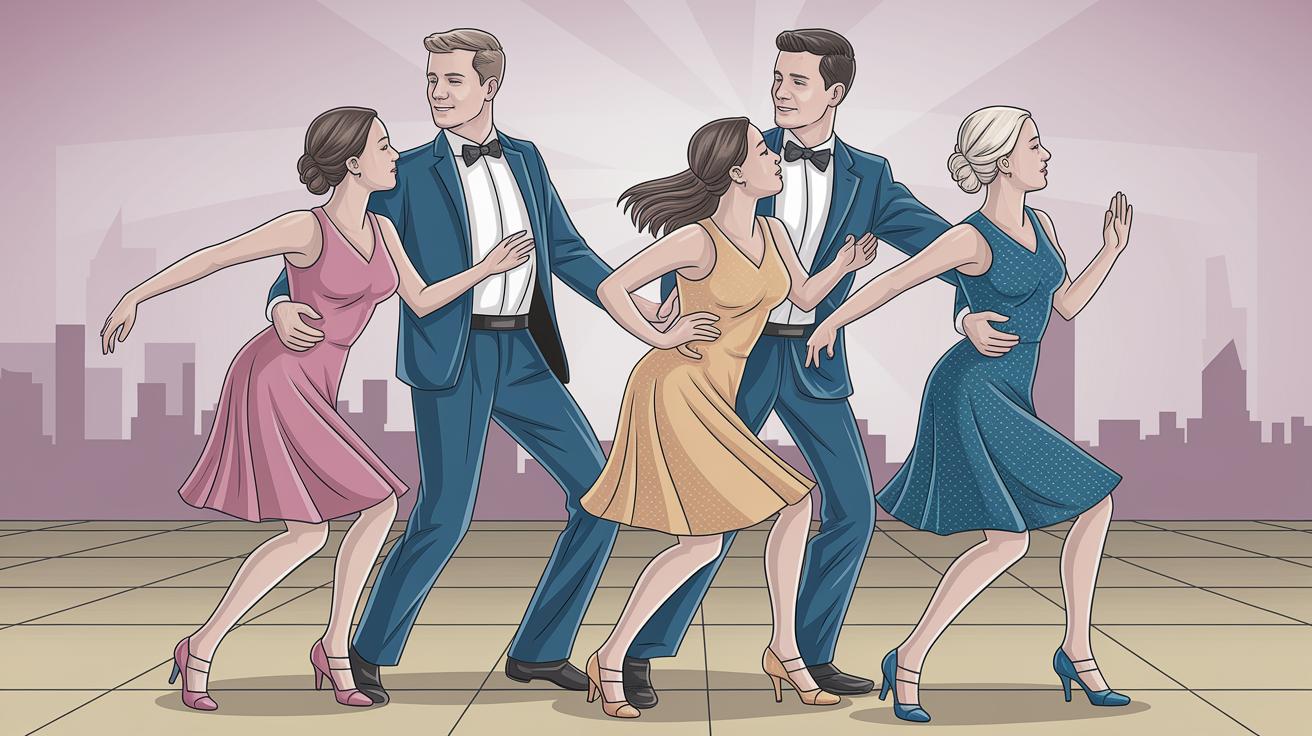
Social dancing including swing, salsa, and ballroom provides immediate practical application in social settings. These partner dances emphasize leading/following skills and musical interpretation over complex choreography.
Building Strength and Flexibility
Dance-specific conditioning prevents injuries while enhancing performance quality. Pilates exercises develop the deep core strength essential for controlled movement and proper alignment throughout dance training.
Dynamic stretching before practice prepares muscles for movement, while static stretching afterward improves flexibility and reduces soreness. Focus on hip flexors, hamstrings, and calf muscles – areas commonly tight in beginning dancers.
Injury Prevention Strategies
Proper warm-up protocols reduce injury risk by gradually increasing heart rate and muscle temperature. Begin with gentle joint mobility exercises progressing to movement-specific preparations.
Listen to your body’s signals – sharp pain indicates potential injury requiring immediate attention, while muscle fatigue represents normal training adaptation. Adequate rest between intense sessions allows tissue repair and strength building.
Finding Quality Instruction
Qualified instructors accelerate learning while ensuring proper technique development. Look for teachers with professional performance experience and recognized certifications from organizations like Dance Masters of America or Cecchetti Council of America.
Effective instructors demonstrate clear communication skills, provide individual corrections, and create supportive learning environments. Class size affects attention quality – smaller groups typically receive more personalized instruction.
Evaluating Dance Studios
Professional studios maintain proper flooring – sprung wooden floors with appropriate surface materials prevent injuries common on concrete or carpet. Adequate space, mirrors, and sound systems support effective learning environments.
Studio culture significantly impacts your experience – observe classes to assess whether the atmosphere feels encouraging and inclusive. Student retention rates often indicate teaching quality and studio management effectiveness.
Performance Opportunities for Beginners
Early performance experiences build confidence and provide motivation for continued training. Many studios offer student showcases designed specifically for beginning dancers with age and skill-appropriate choreography.
Community events including local festivals, charity fundraisers, and cultural celebrations welcome beginning performers. These low-pressure environments allow skill application while contributing to community engagement.
Overcoming Performance Anxiety
Visualization techniques help manage pre-performance nerves by mentally rehearsing successful outcomes. Practice performing for small, supportive audiences before larger public presentations.
Focus on artistic expression rather than technical perfection – audiences respond to genuine emotion and commitment more than flawless execution. Remember that mistakes are learning opportunities, not failures.
Final Thoughts
| Key Aspect | Description | Timeline for Beginners |
|---|---|---|
| Well-Rounded Dance Education | Exploring various styles enhances versatility, physicality, and appreciation of cultural contexts. | 6-12 months foundation building |
| Techniques for Beginners | Focus on posture, footwork, and rhythm to build a solid foundation and prevent injuries. | 3-6 months basic mastery |
| Effective Practice | Consistent practice supplemented by resources improves technique and dedication. | Ongoing daily commitment |
| Performance Readiness | Building confidence through structured performance opportunities and community engagement. | 6-18 months preparation |
Beginning your dance journey requires patience, dedication, and proper guidance. Focus on consistent practice, quality instruction, and gradual skill development rather than rushing toward advanced techniques.
Remember that every professional dancer started as a beginner – your current limitations are temporary stepping stones toward artistic growth. Embrace the learning process, celebrate small victories, and maintain the joy that initially drew you to dance.